Visiting Papplewick Pumping Station – History, Steam Days & Things to Know
Key Information About The Visit
Type of Visit: Historic site and family-friendly attraction
Average Time to Spend: Around 1–2 hours (longer on special steaming days or events)
Where to Park: Free on-site parking available on Rigg Lane, Ravenshead (NG15 9AJ)
Toilets Nearby: Toilets available inside the visitor area and cafe
Dog Friendly: Dogs on leads are welcome in the grounds but not inside the main buildings
Kid Friendly: Yes, ideal for families with children interested in history, steam engines and hands-on learning
Recommended Footwear: Comfortable shoes suitable for walking around indoor and outdoor areas
Introduction
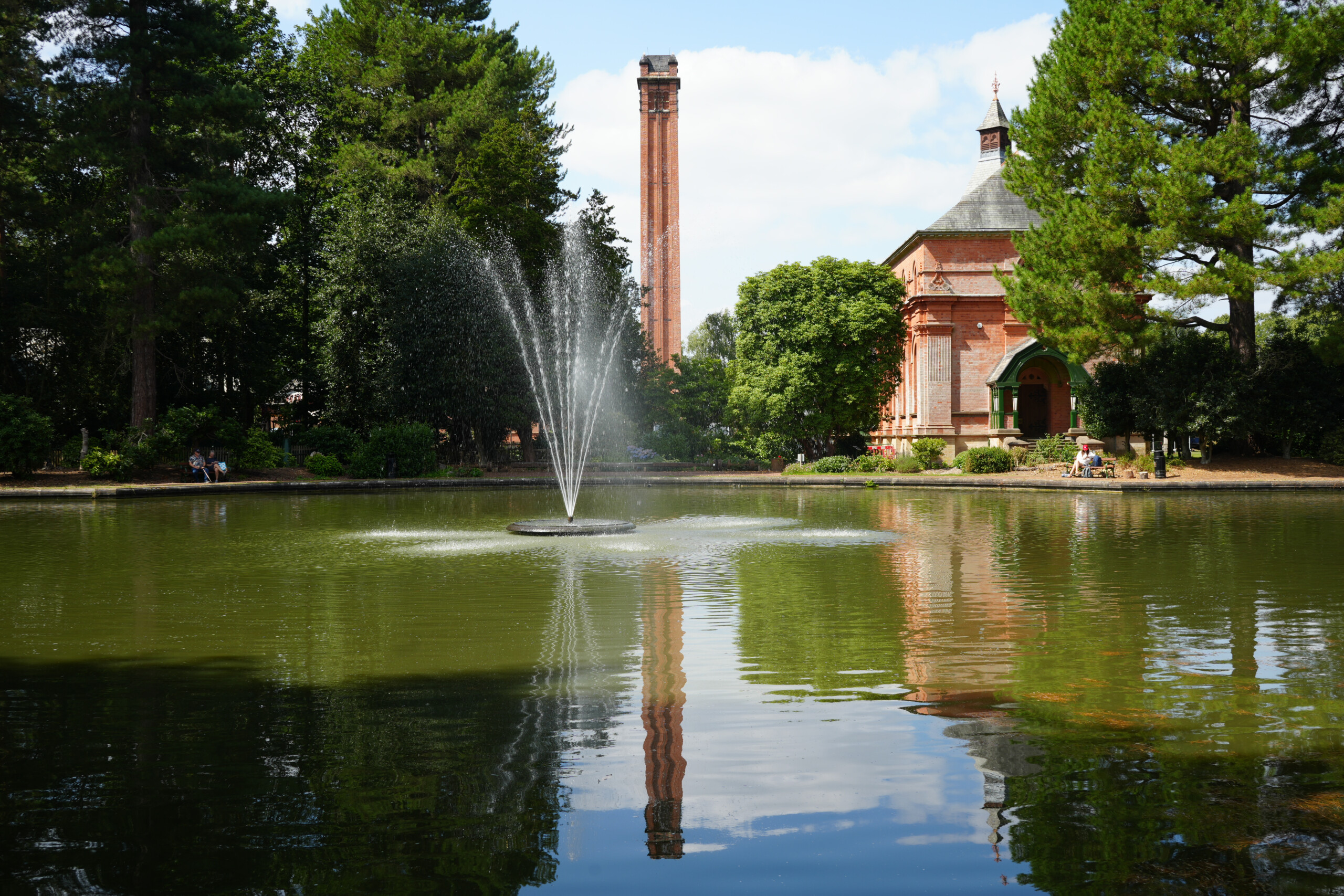
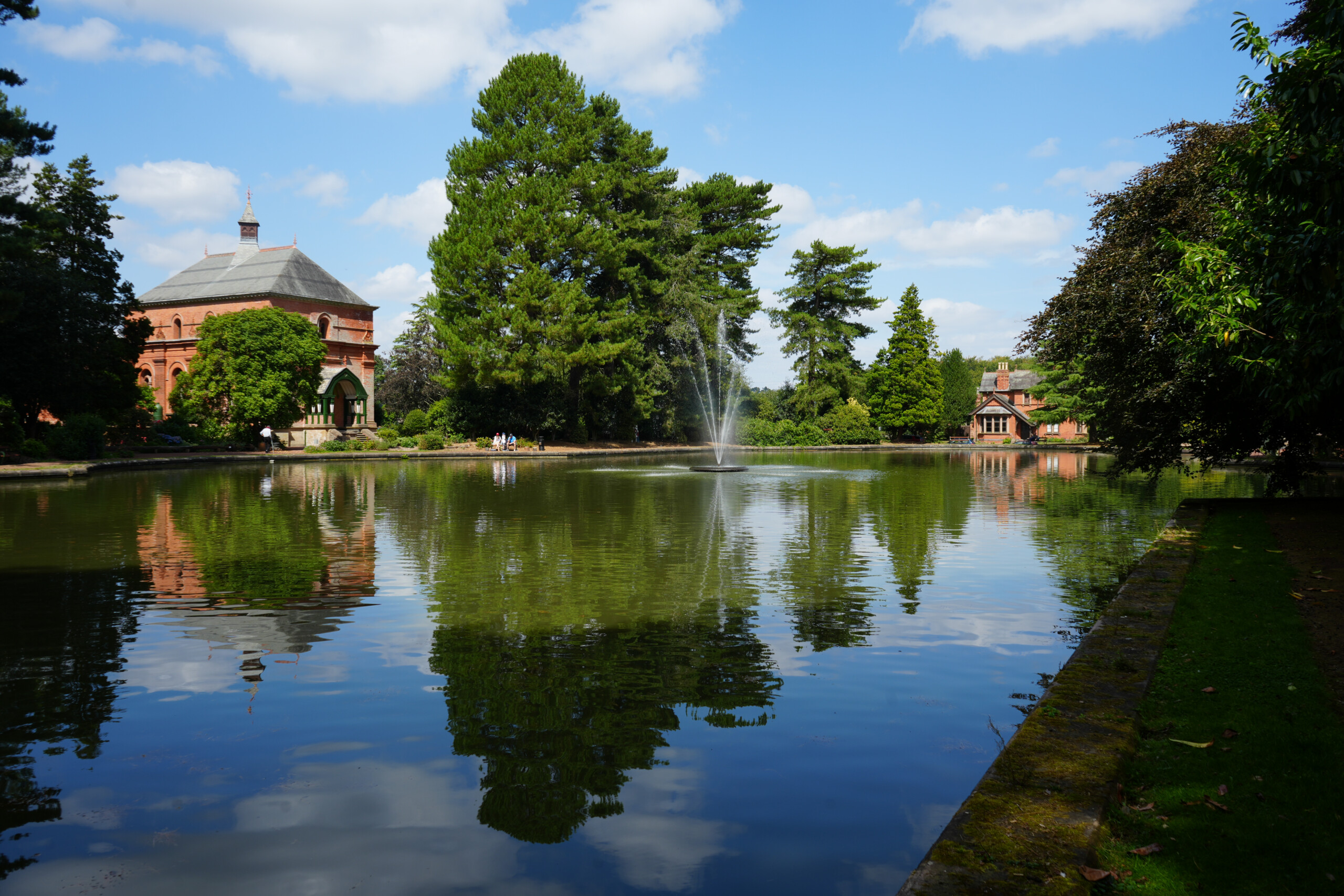
This is a lovely day out for all the family and is only 20 minutes’ drive from Nottingham. Papplewick Pumping Station is the most spectacular water pumping station in the British Isles. You’ll marvel at the architecture, engineering, craftsmanship and great attention to detail, and how this once important water pump that provided fresh water to millions has been preserved and looked after by a wonderful team of dedicated volunteers.
It’s open on Wednesdays and Sundays from 11am to 3pm between the beginning of April and the end of October. It’s free to go in on these days apart from a small £4.00 charge to walk around the engine and boiler house set over about 3 floors. There’s plenty of free parking.
There are also about 8 special steaming days where the whole place comes to life when the heavy Victorian machinery wheels are set in motion. These events are about £13.50 plus concessions.
My First Visit to Papplewick Pumping Station in 2004
I have vague memories of visiting Papplewick Pumping Station as a small child and becoming extremely frustrated when faced with lots of old-fashioned telephones that were rigged up so you could have a go dialing a number. My brother and I had never seen anything like it before and got very cross because we didn’t know what to do. Our mum kept giving us instructions to place a finger in the dial and rotate the dial around. Crickey, we got terribly grumpy with her.
Sadly, the telephone display in the museum is no more!
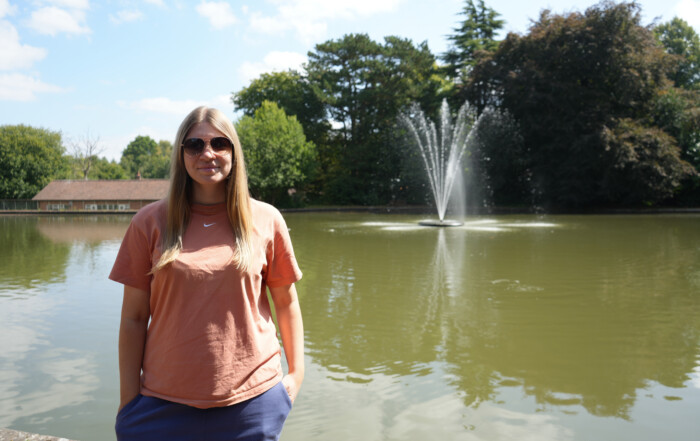
Anyway, 20 years later here I am back at Papplewick Pumping Station.
The day I went there as a child, it was a steaming day when the volunteers got the whole place running with all the old Victorian machinery going hell for leather.

Steaming Days at Papplewick Pumping Station
Nowadays, steaming days are limited to mostly Bank Holidays. I think there are about 8 held each year, so we’ll have to come back for that another day. Details of the upcoming days and events can be found on their website.
A Brief History of Papplewick Pumping Station
During the late 19th Century Nottingham’s population was increasing due to the Industrial Revolution. Nottingham became a global centre for lace and hosiery industries due to innovations like the bobbin-net machine and steam power.
Since all the people in Nottingham needed water, Papplewick was built in the 1880s to pump millions of gallons of clean fresh water every day to serve this rapidly increasing population.
The water was pumped to the surface from an underground reservoir which you can walk around on steaming days. It’s very crypt like down there with brick walls and Gothic arches and is reached by 2 flights of stone steps.
Walking Around Papplewick Pumping Station
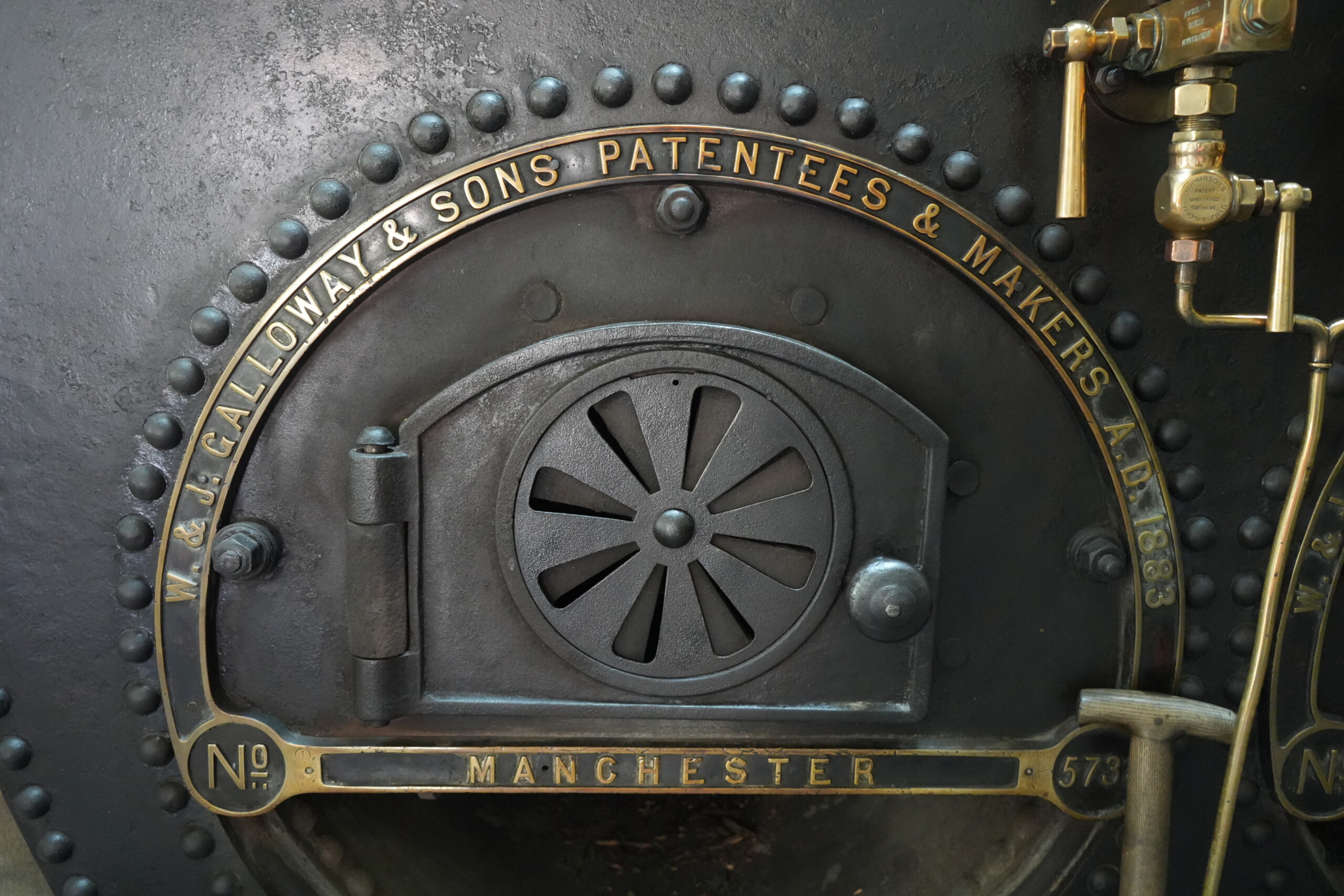
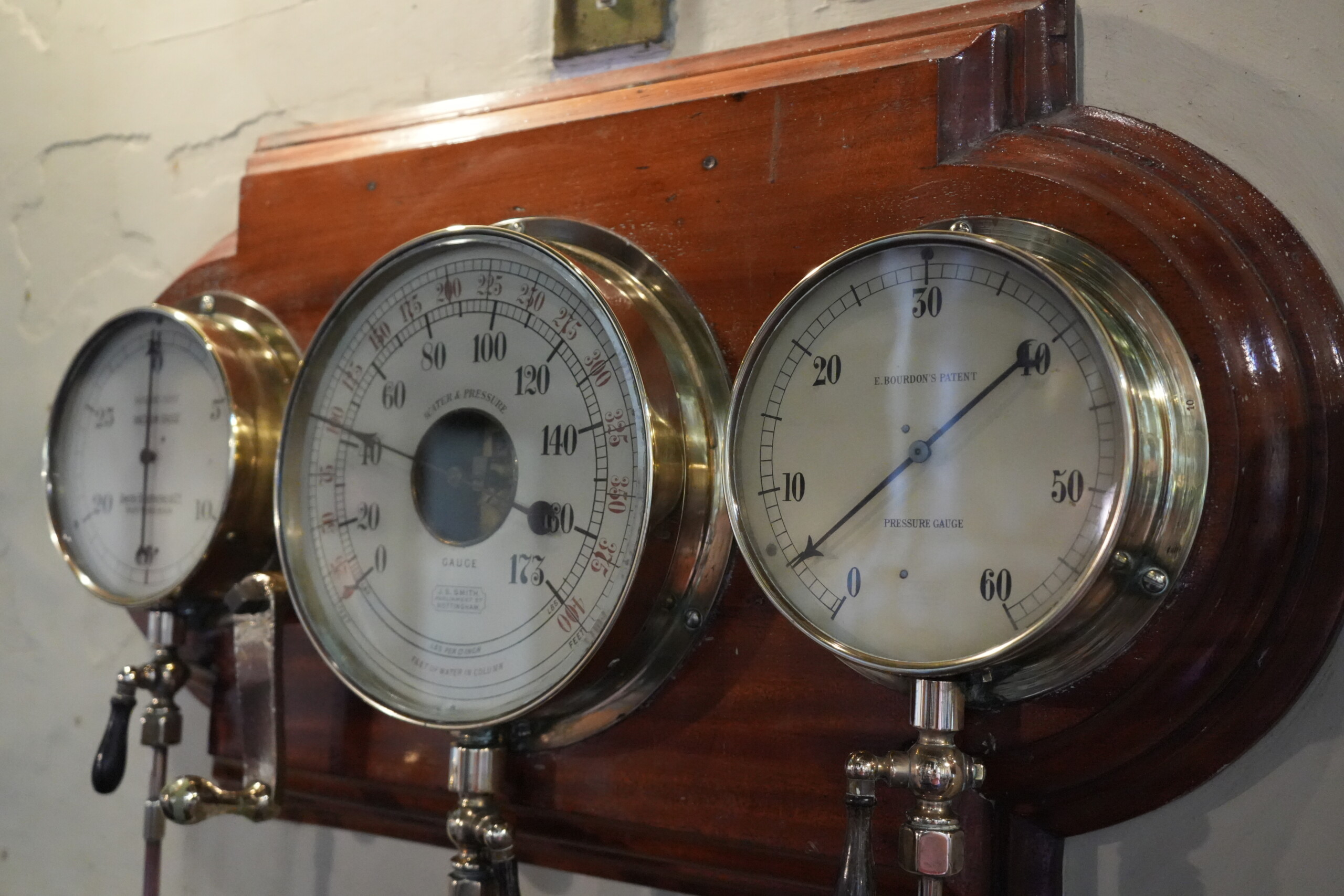
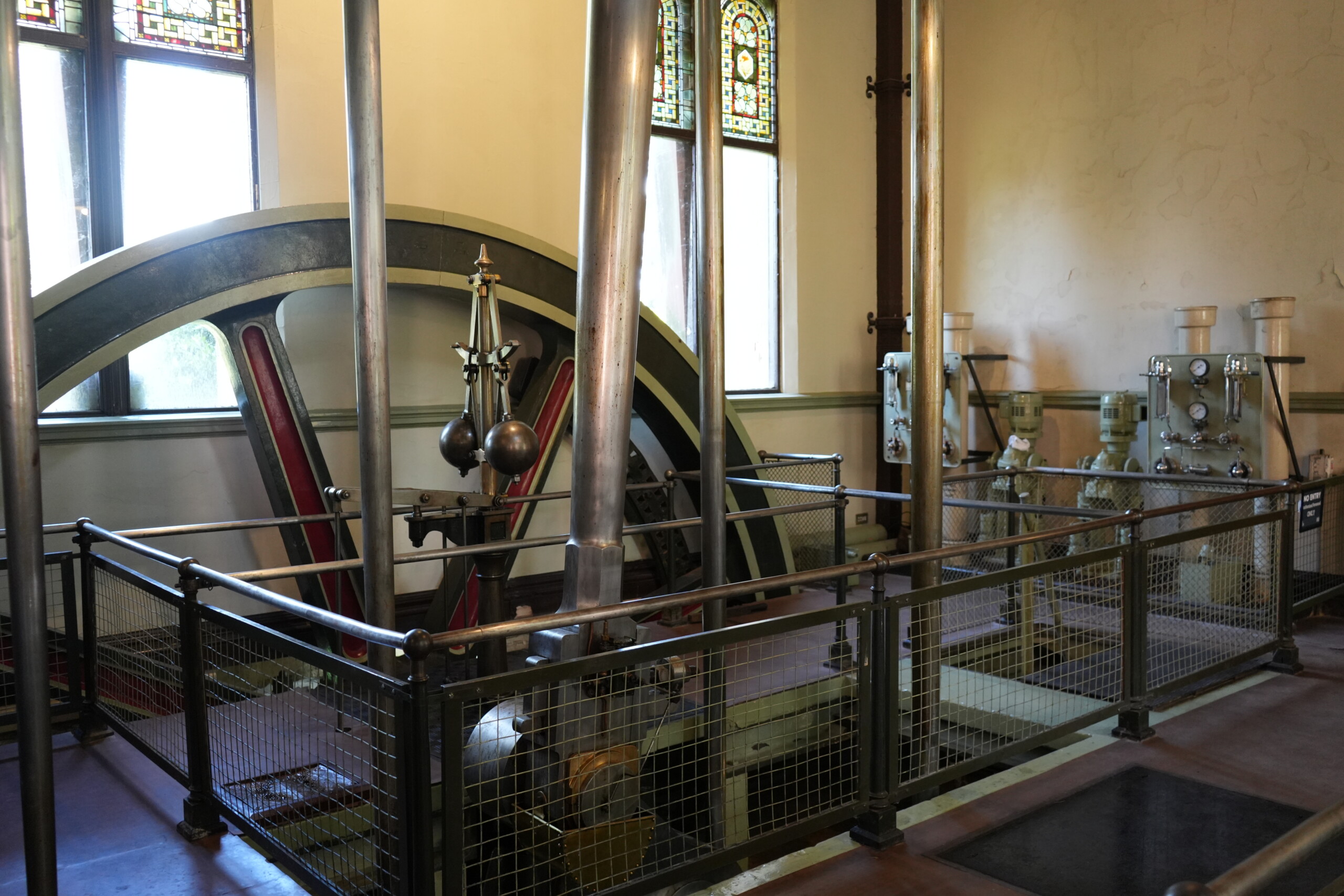
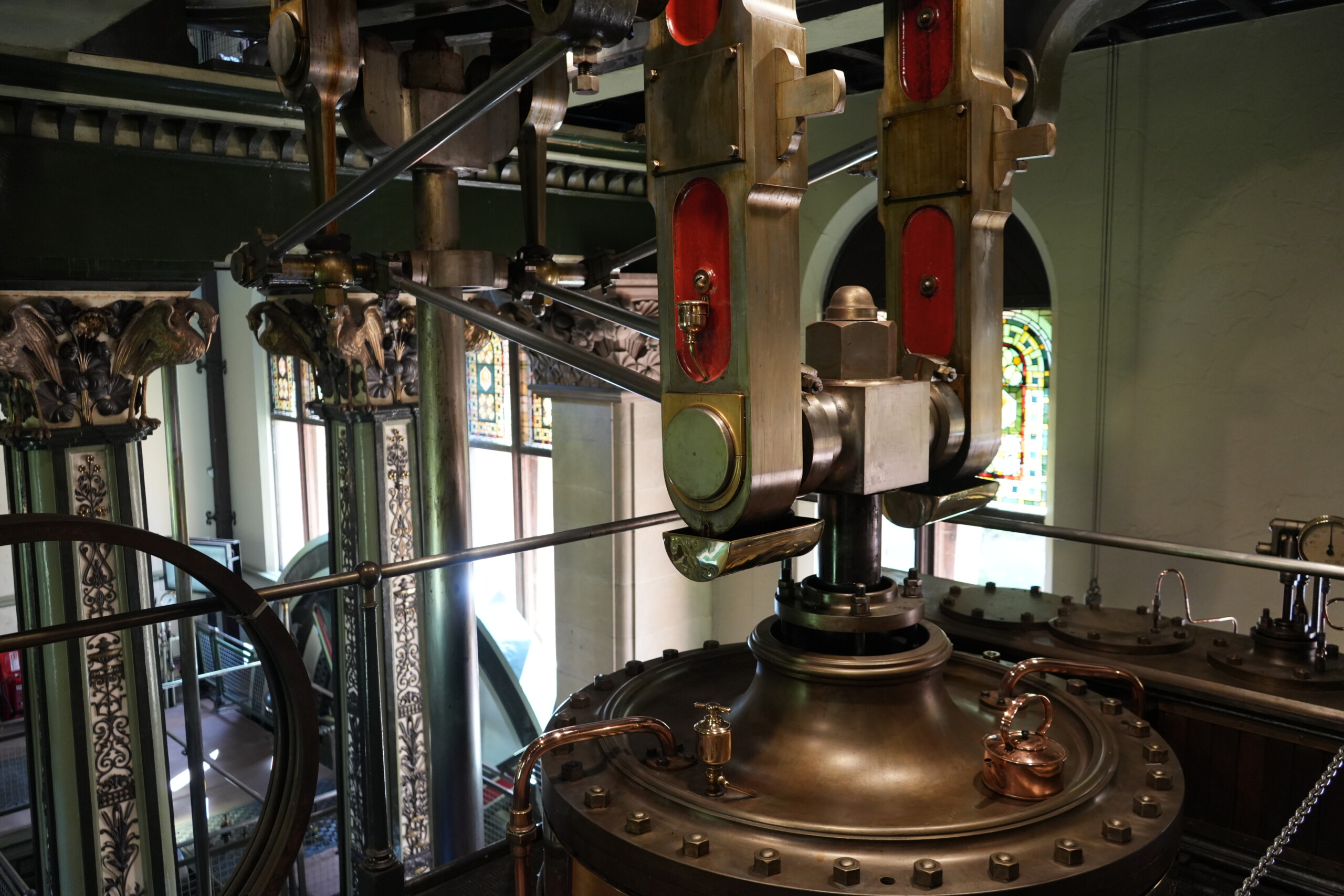
You can explore the pumping station. It’s spread over several floors and marvel at the machinery and design all beautifully preserved by the dedicated team of volunteers. When I visited there were even volunteers polishing the brass fittings and there were several knowledgeable people available to tell you all about how it works.
Book Your Perfect Stay
Why did the Victorians design such beautiful buildings?
Whilst exploring Papplewick Pumping Station my thoughts were that things just aren’t built with the same level of care and detail anymore. But why? So, I did a bit of research.
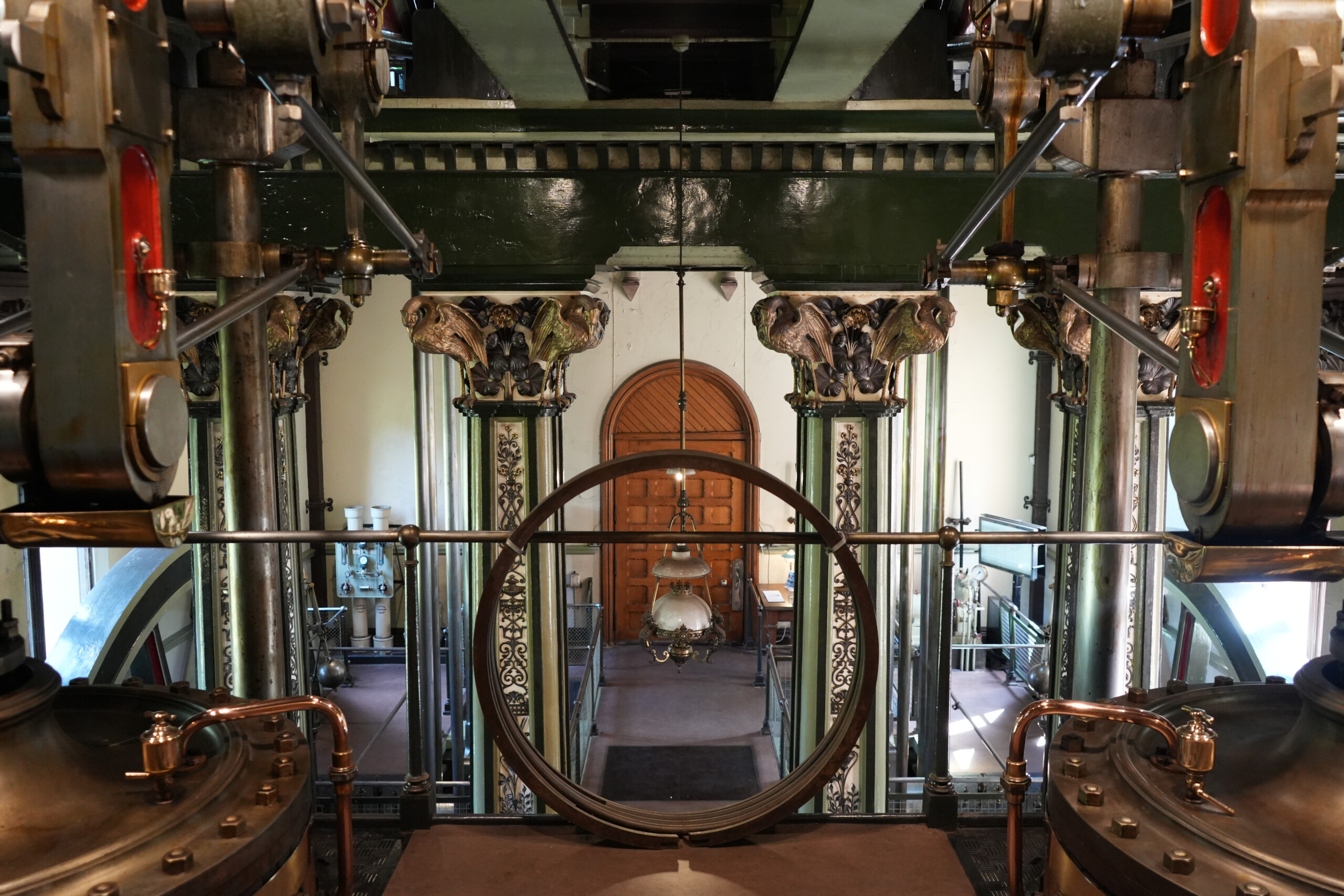
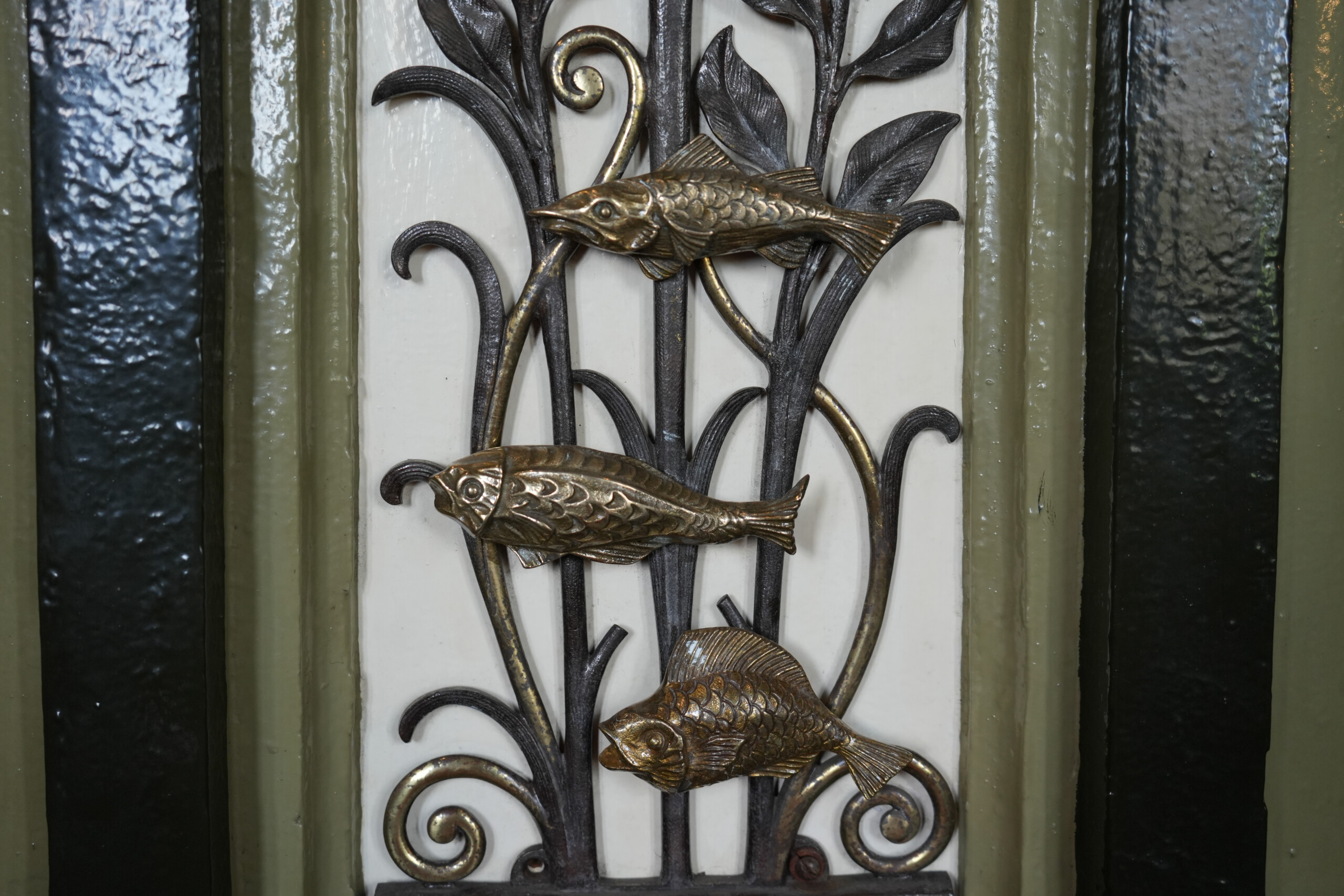
The Victorians designed buildings with elaborate care and detail to display wealth, social status and morality, reflecting Queen Victoria’s luxurious taste and the era’s emphasis on opulence.
Advances from the Industrial Revolution, like mass production and better transportation, made ornate materials and diverse styles accessible to a broader middle class. Architects also drew inspiration from several historical and global styles, such as Gothic revival and East Asian art, leading to varied and distinctive architectural features like ornate molding and decorative trim.
The British Empire was experiencing significant economic growth, allowing wealthy individuals to spend lavishly on homes and public buildings. Despite rapid industrialization and urbanization, there was a growing appreciation for aesthetic appeal and craftmanship. Even factories and warehouses, symbols of the Industrial Revolution, included decorative flourishes, demonstrating a commitment to aesthetics amidst utilitarian design, and Papplewick Pumping Station is certainly a fantastic example of this.
Why are buildings not beautiful anymore?
One of the biggest reasons is cost. Detailed facades require skilled artisans, expensive materials, and labor-intensive construction. In contrast, simpler designs are quicker and cheaper to build.
Conclusion: Is Papplewick Pumping Station worth visiting?
Papplewick Pumping Station is the best-preserved pumping station in Britain and is certainly worth a morning of your time to wander around, step back in time, take in the atmosphere and admire the fantastic engineering and craftmanship of a bygone era.
A Lovely Walk In Nottinghamshire
FAQs About Papplewick Pumping Station
Entry to the grounds is free on open days, but there is a small charge for guided tours of the Engine and Boiler House.
Yes, dogs on short leads are welcome in the grounds, though access inside the main buildings may be restricted.
Allow around 2 hours on regular open days, or 3 hours or more during steam events to fully experience the engines, reservoir, and exhibitions.
Yes, there is a cafe open on event and open days, toilets available for visitors, and free on-site parking.