Visiting Southwell Workhouse: A Look Inside The Historic Workhouse
Key Information About The Visit
Type of Visit: Historical self-guided tour of a Victorian workhouse
Average Time to Spend: 1–2 hours
Where to Park: Free on-site parking available at the Workhouse, Upton Road, Southwell (NG25 0PT)
Toilets Nearby: Yes, available in the visitor centre and café
Dog Friendly: Only assistance dogs are allowed inside the buildings
Kid Friendly: Yes
Recommended Footwear: Comfortable shoes for indoor walking and exploring the grounds
Introduction
At last, I got around to visiting Southwell’s famous workhouse. It had been on my bucket list for ages and so with it opening for the summer season I had a drive out there with my family.
Like many people, my image of the Victorian workhouse is the one depicted in literature and period dramas on TV. Who can forget the plight of Fanny Robin in Thomas Hardy’s ‘Far from the Madding Crowd’– the poor orphaned servant girl who dies giving birth to Sergeant Troy’s child in the workhouse, having run away after attempting to marry him but accidentally turning up at the wrong church.
In Charles Dicken’s ‘Oliver Twist’ the workhouse is portrayed as a harsh and dehumanizing institution where Oliver and other children are subjected to neglect, hunger and cruelty. Oliver Twists early life in the workhouse is characterized by these harsh conditions, and he is ultimately removed for daring to ask for more food.
So, when the Workhouse at Southwell, now a National Trust property reopened after its winter break, I was keen to visit as it had been on my radar for several years. Would it live up to my expectations and the workhouse described by these famous writers?
Interesting Fact – The National Trust is the largest conservation charity in Europe.
Southwell Circular
Check the full details and map on AllTrails. For 30% off AllTrails click here.
How to get to Southwell Workhouse
Head for Southwell and to the workhouse on Upton Road, NG25 OPT. There’s a large free car park and it’s £15.00 entry fee to the workhouse, £7.50 for kids 5-18 and under 5’s go free. There are also family tickets for £37.50.
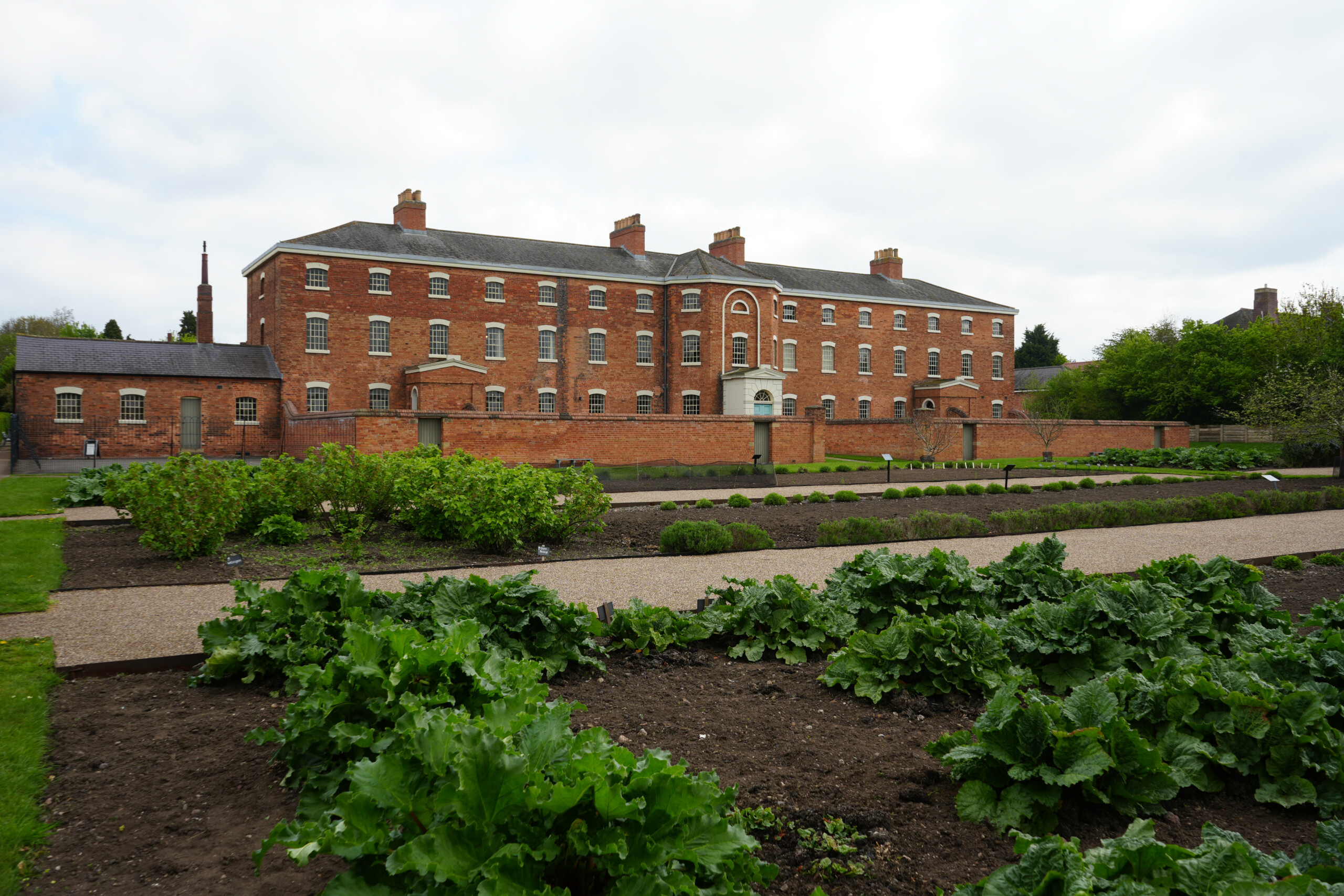
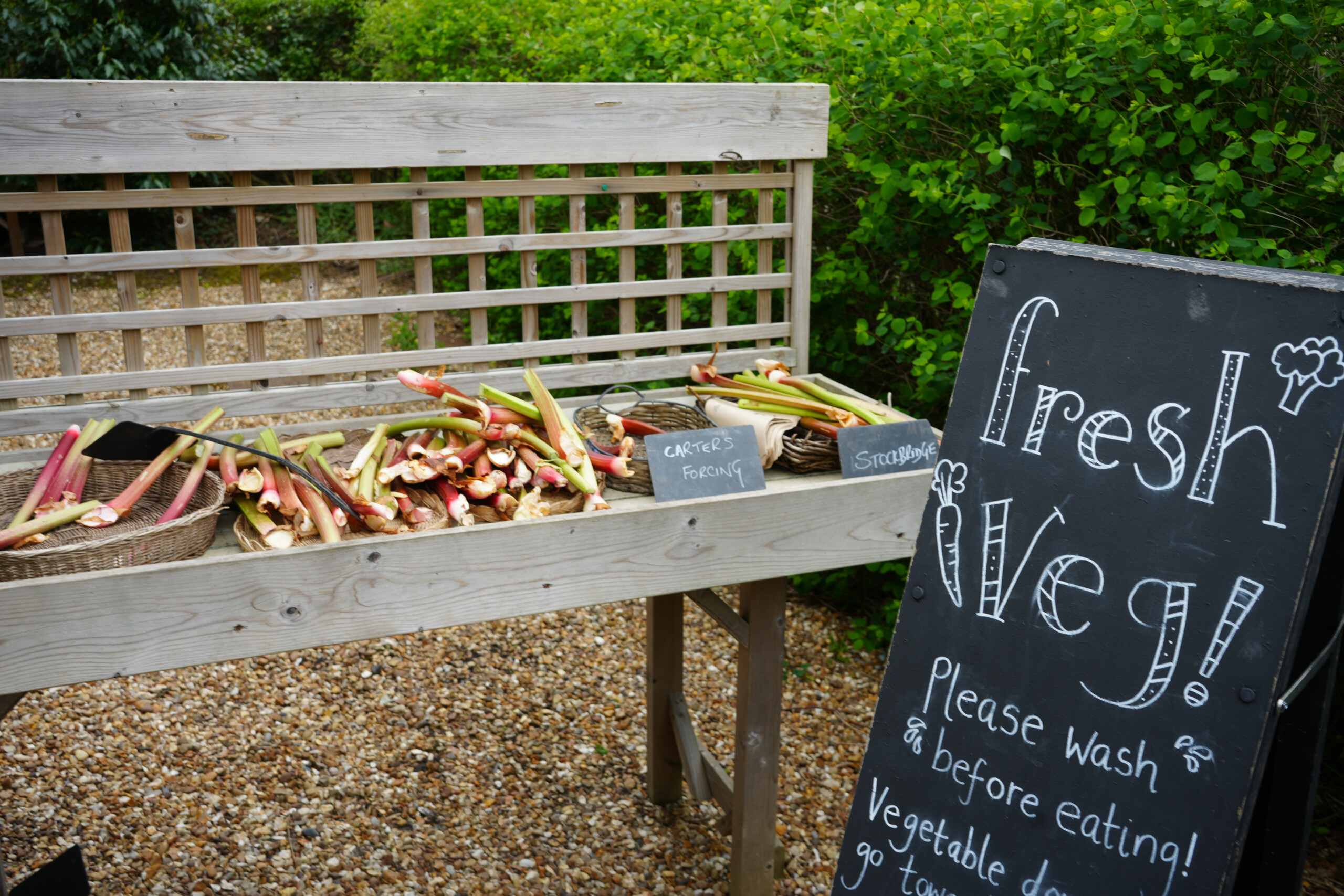
From the visitor centre you will walk along a hedge and fence lined path towards the workhouse passing a large vegetable garden with neat rows of rhubarb and various other produce which can be purchased from a small stall next to the main entrance.
When and why was the workhouse built? (Also known as Greet House)
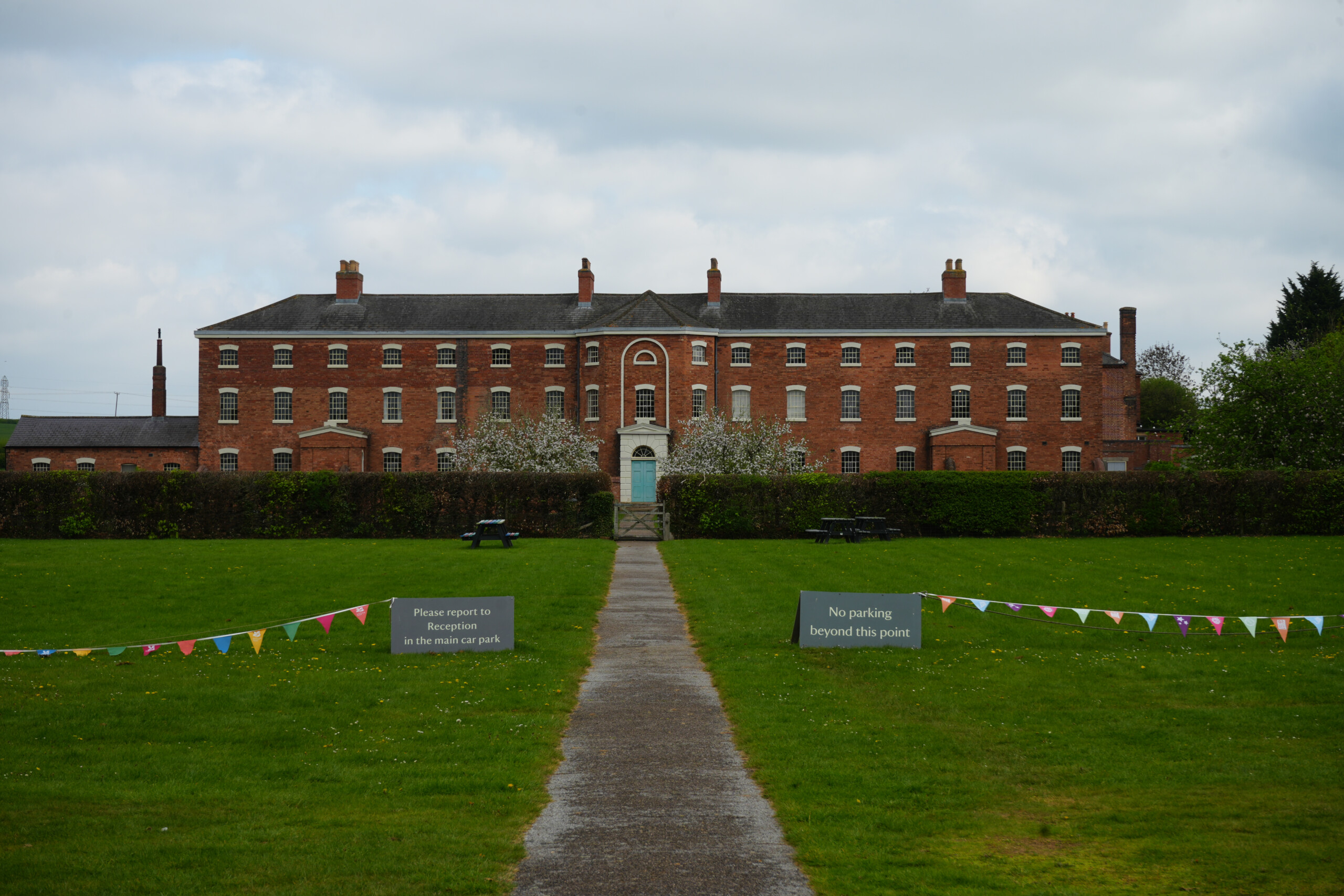
First impressions – It’s a very wide and austere red brick building, 3 storeys high and perfectly symmetrical. It looks like a prison.
It was built in 1824 as an experiment by Reverend John Thomas Becher to support the rising number of poor and needy and to act as a deterrent. He believed that with allotments, better wages and savings clubs, the poor could help themselves. It was not a prison but a place to go for help. However, it was an unpleasant experience for the residents to be a deterrent.
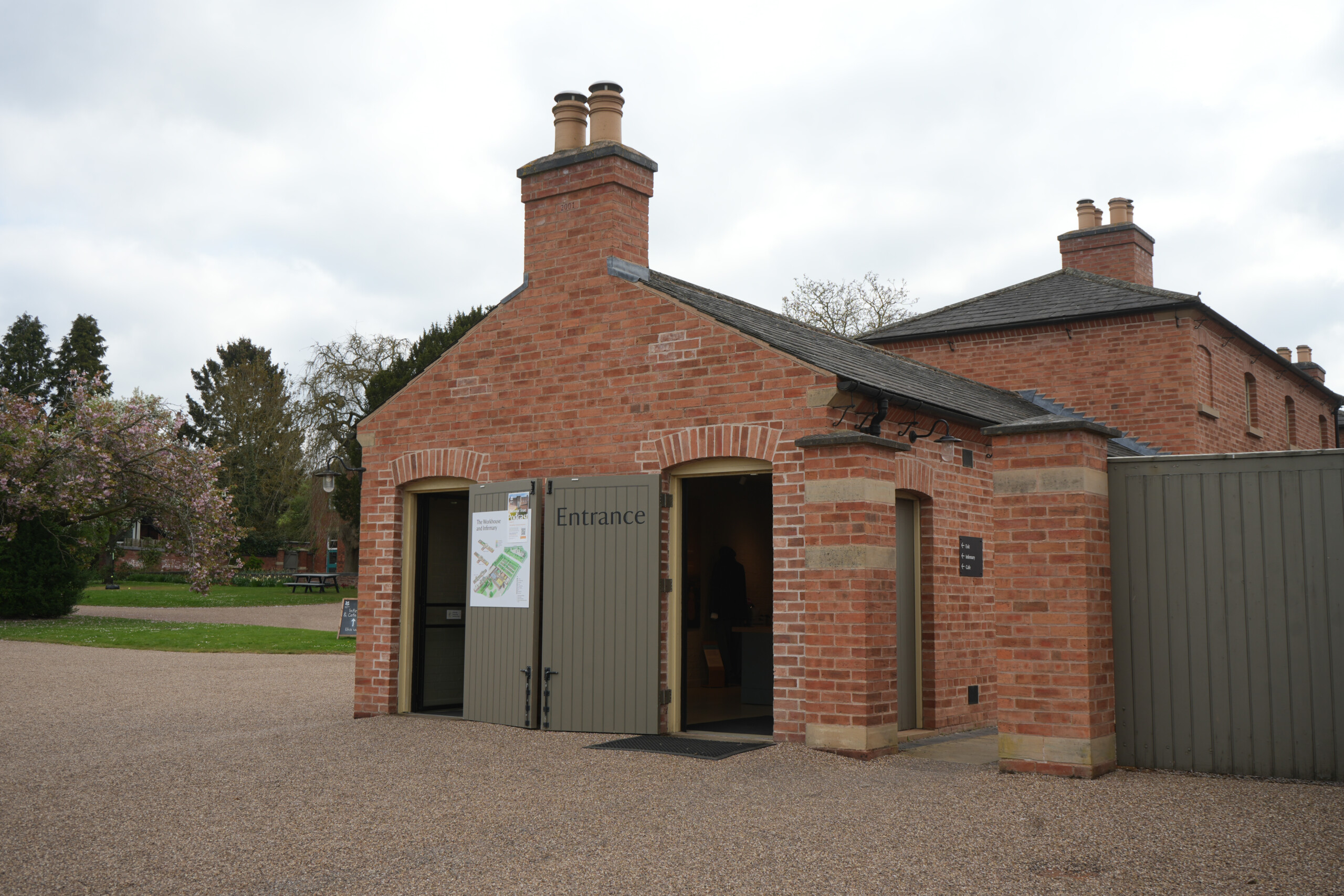
Entrance to the Workhouse
After a few minutes’ walk you’ll reach a large, graveled area. Go through a door marked ‘Entrance’. As you walk around the building you will be able to go into all the different areas and immerse yourself in the daily lives of the 158 inmates that used to live here back in the 19th century.
Mr. Bumble and Mrs. Corney in ‘Oliver Twist’ by Charles Dickens (1836)
The workhouse was run by a Master and Matron who I immediately envisioned being like Mr. Bumble and Mrs. Corney in Oliver Twist.
Mr. Bumble is a pompous and cruel man who oversees the workhouse where young Oliver is raised. Initially he seems to be kind but ultimately shows himself to be selfish and greedy. Mr. Bumble marries Mrs. Corney who is a vile, abusive and controlling tyrant. Their plot against Oliver ultimately results in them being expelled from the workhouse leading to both financial and moral downfall with them becoming paupers, and returning to the very workhouse they once ruled with harshness.
At Southwell workhouse the Masters salary was £40 a year and the Matrons £20 a year.
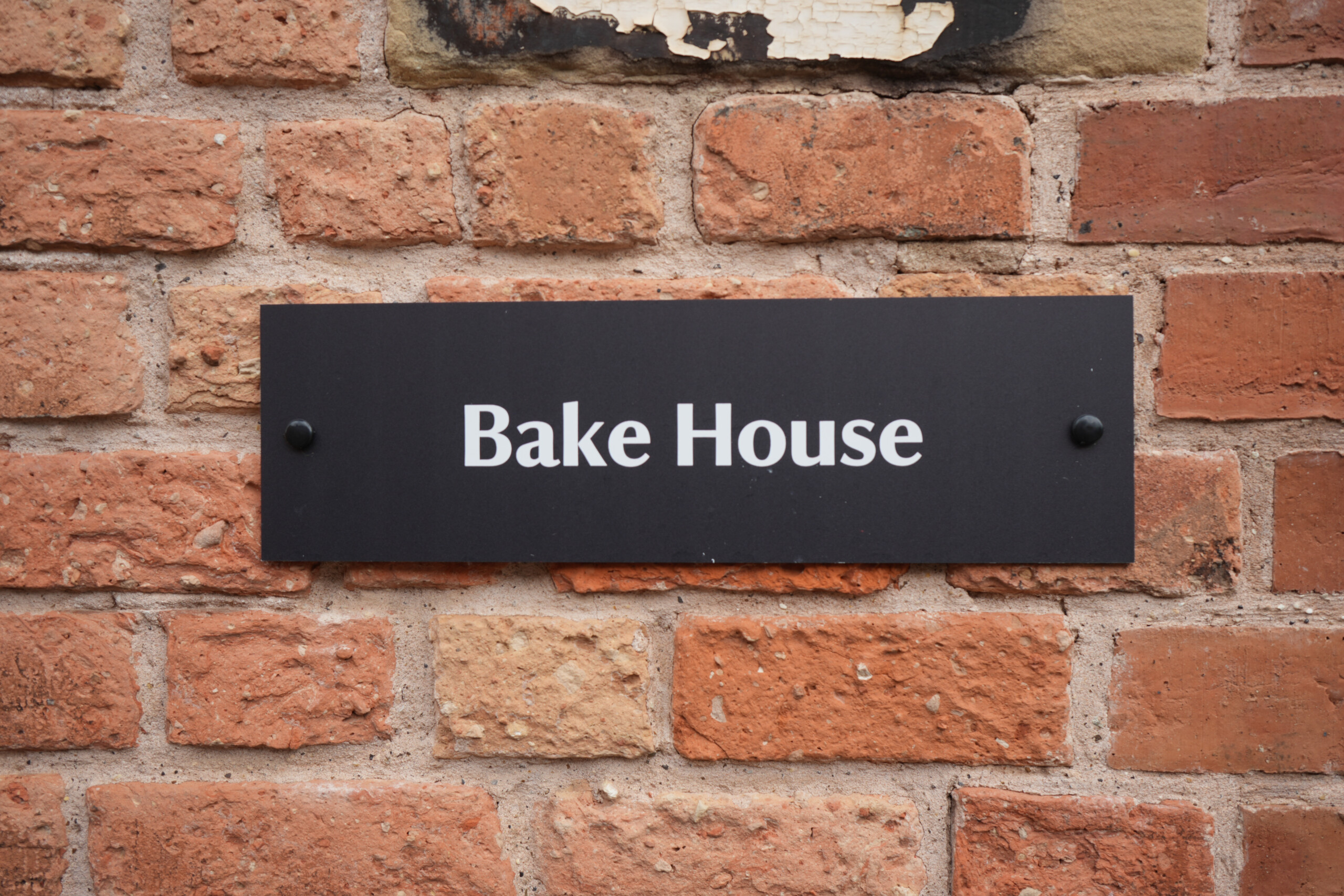
The Bakehouse
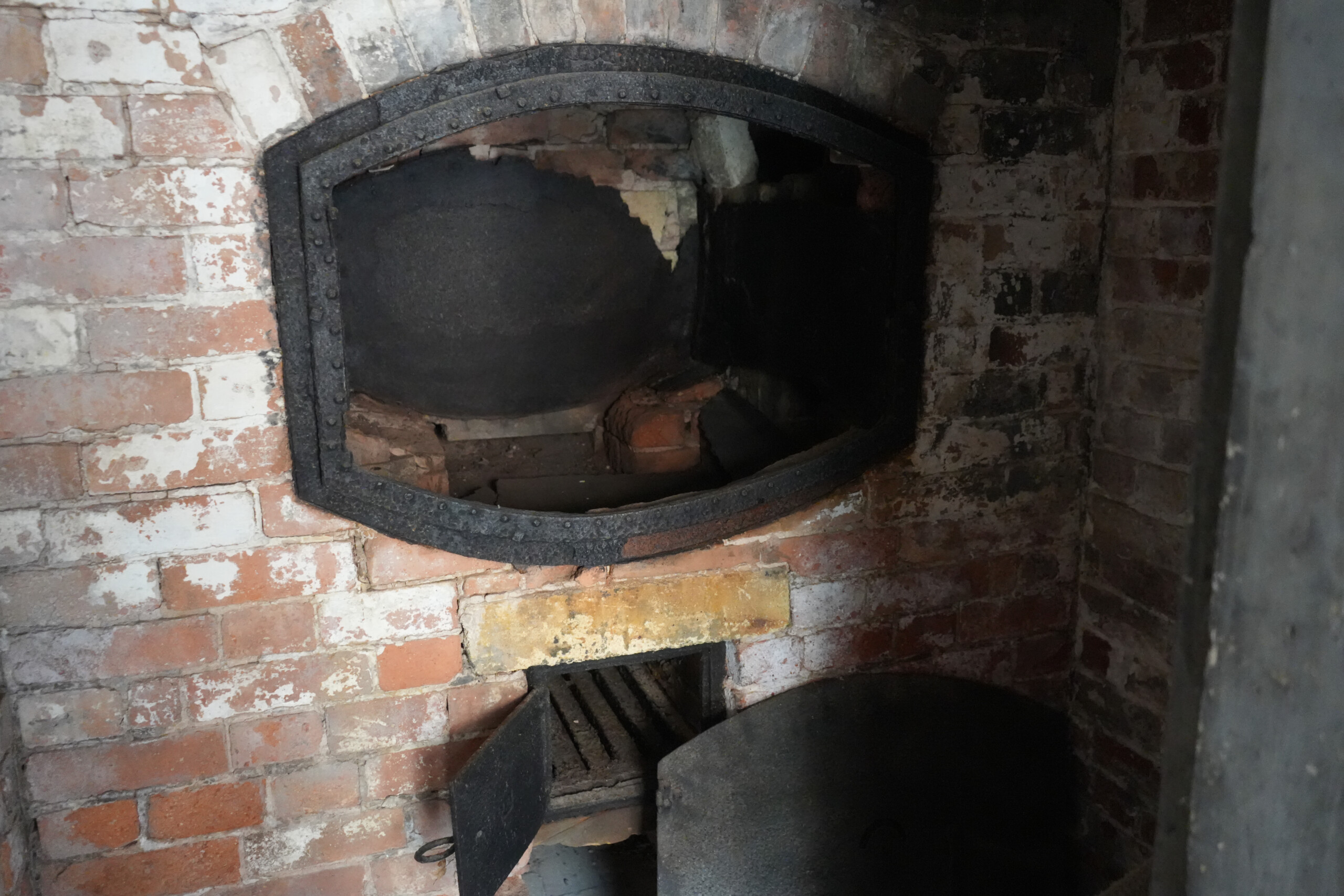
In the small bakehouse I learnt that bread was the staple diet for the poor. Each day 26 large loaves were baked to feed 120 people.
The bread oven reminded me of a modern-day pizza oven. However, the diet they endured was a far cry from today’s yummy pizza. Their diet was bread and gruel (or porridge) and occasionally meat or vegetables. The daily meals were often small and inadequate with inmates often resorting to eating animal bones and other inedible items.
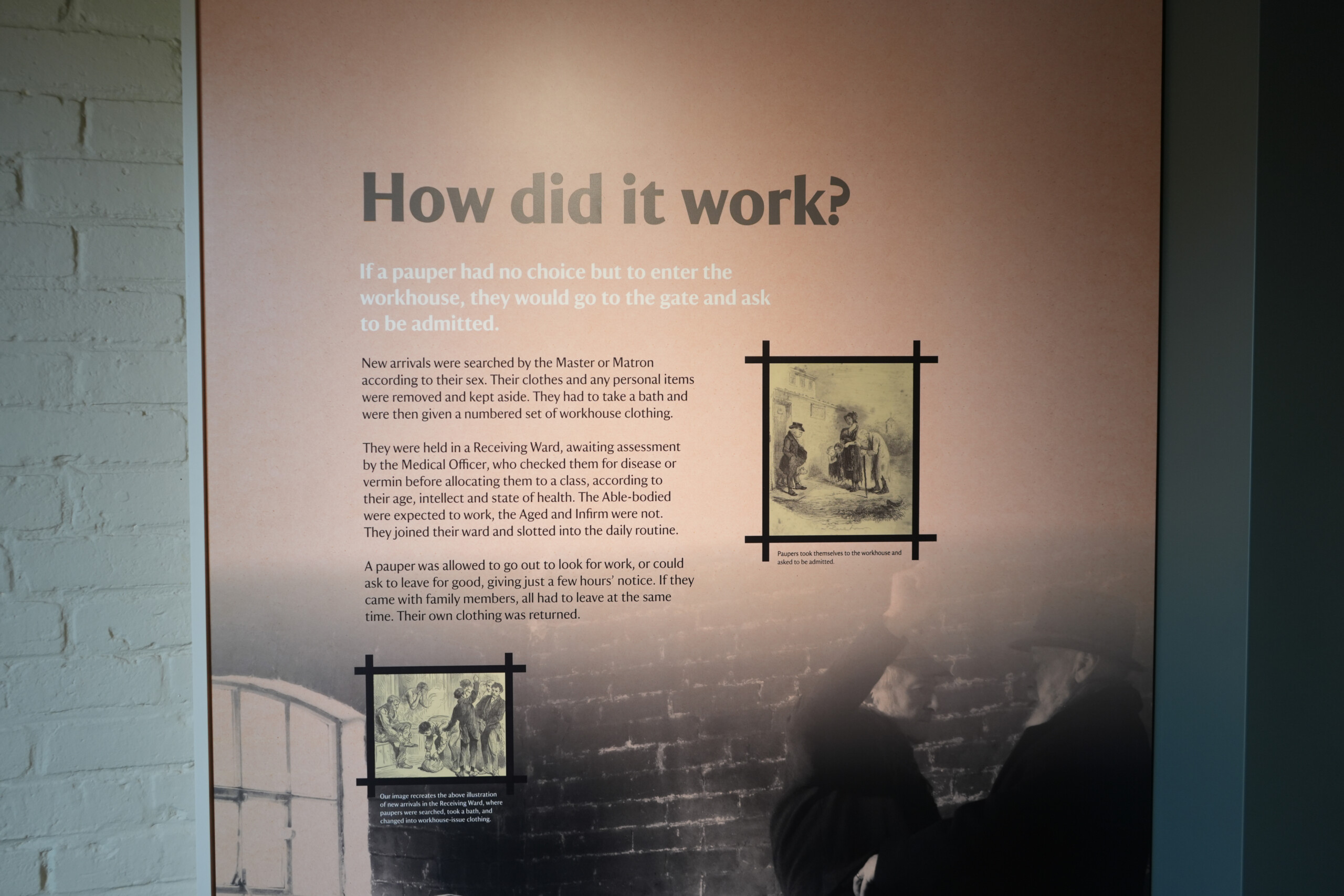
Could paupers leave the workhouse and what about married couples?
‘Any pauper may quit the workhouse upon giving reasonable notice of his wish to do so’.
The Poor Law regulations did allow folks to leave the workhouse temporarily to look for work.
While it was unusual for a husband and wife to be together, they were kept in single sex dormitories, a wife could not leave the workhouse without her husbands’ permission. Imagine that?!
Oakum Picking
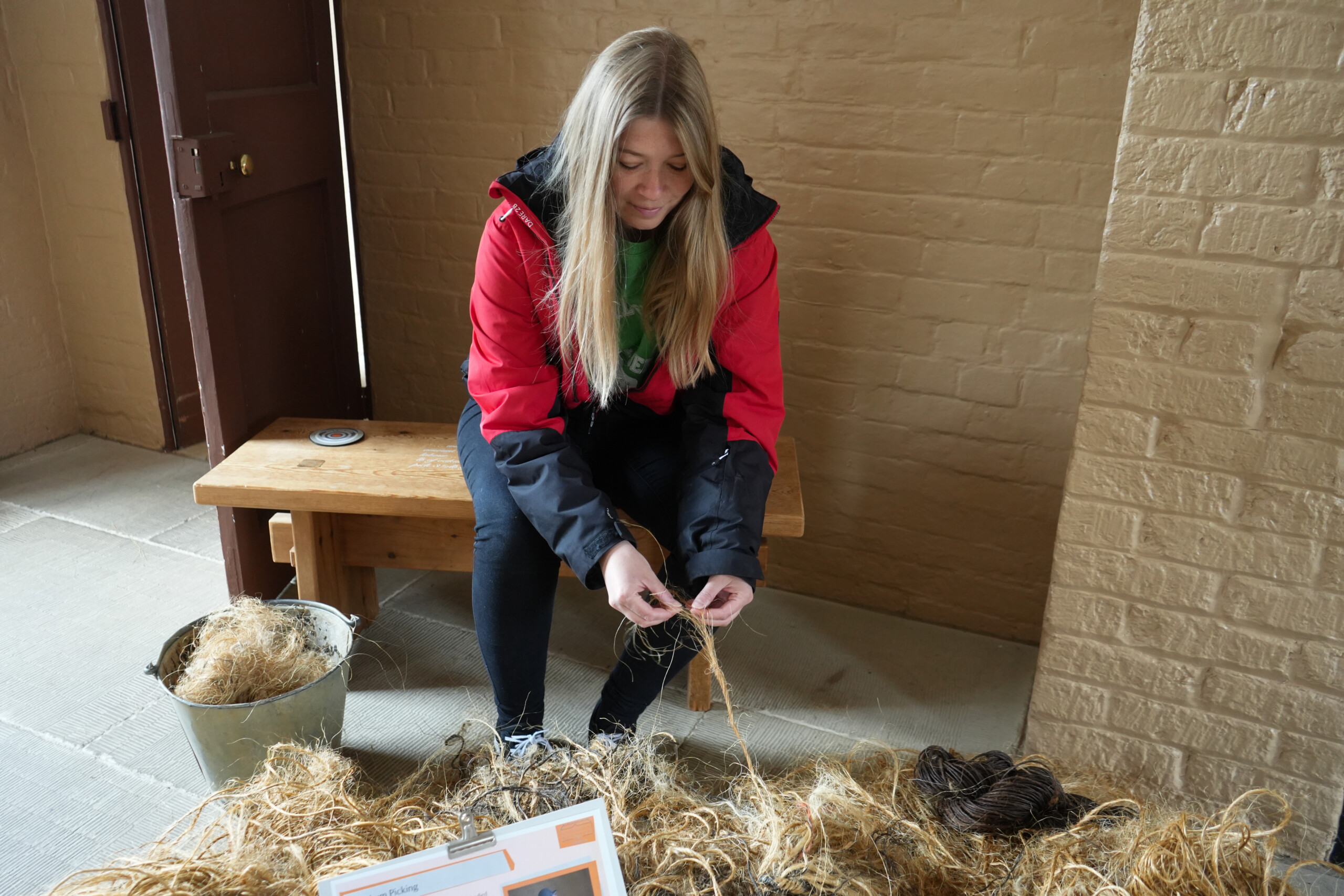
One of the jobs available to the paupers was the task of separating long lengths of rope by hand and sold to shipbuilders where it was mixed with tar to provide waterproofing. I had a go at this task and found it very fiddly. I can imagine that doing this job would lead to blisters and sore hands.
Able-bodied Male Yard
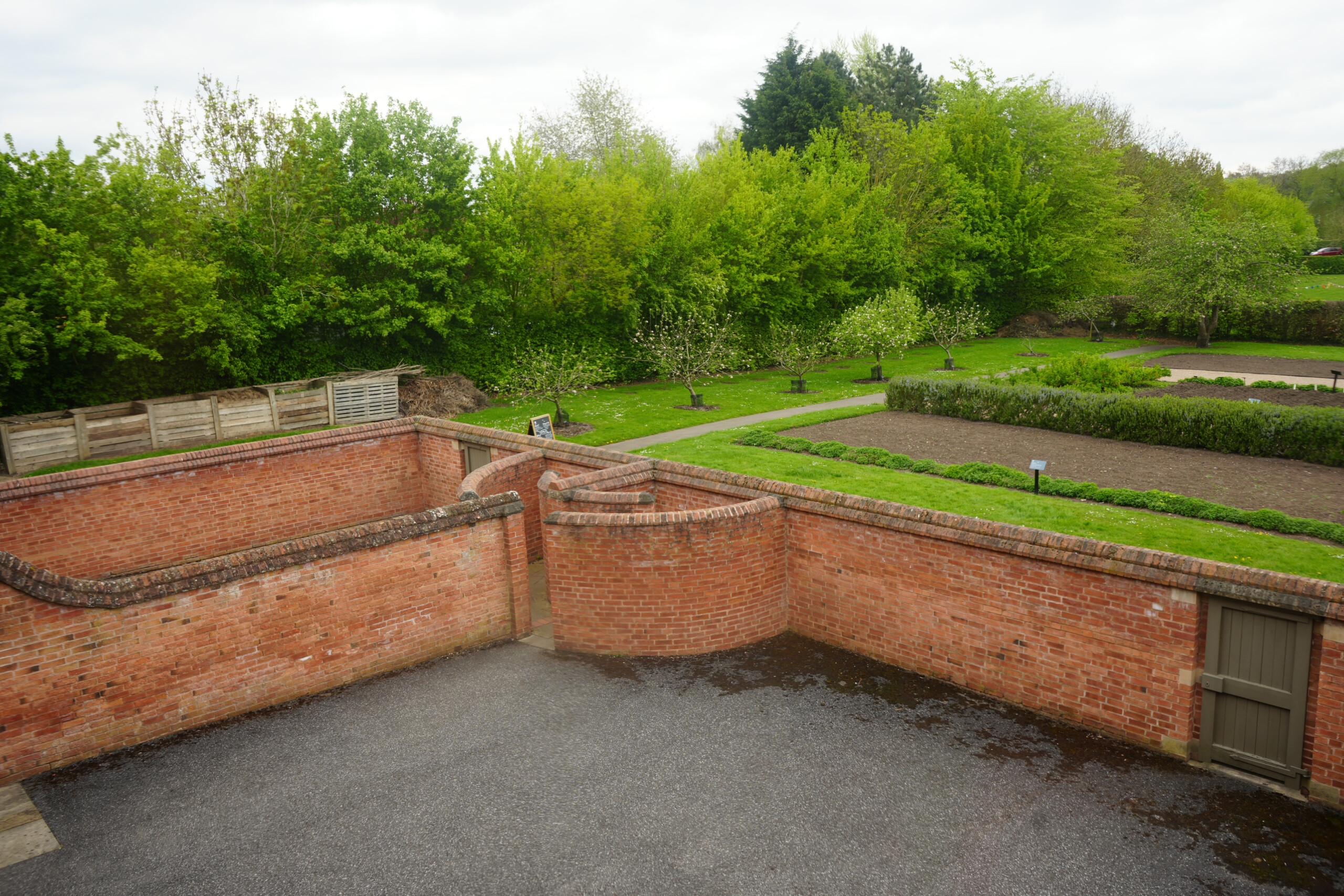
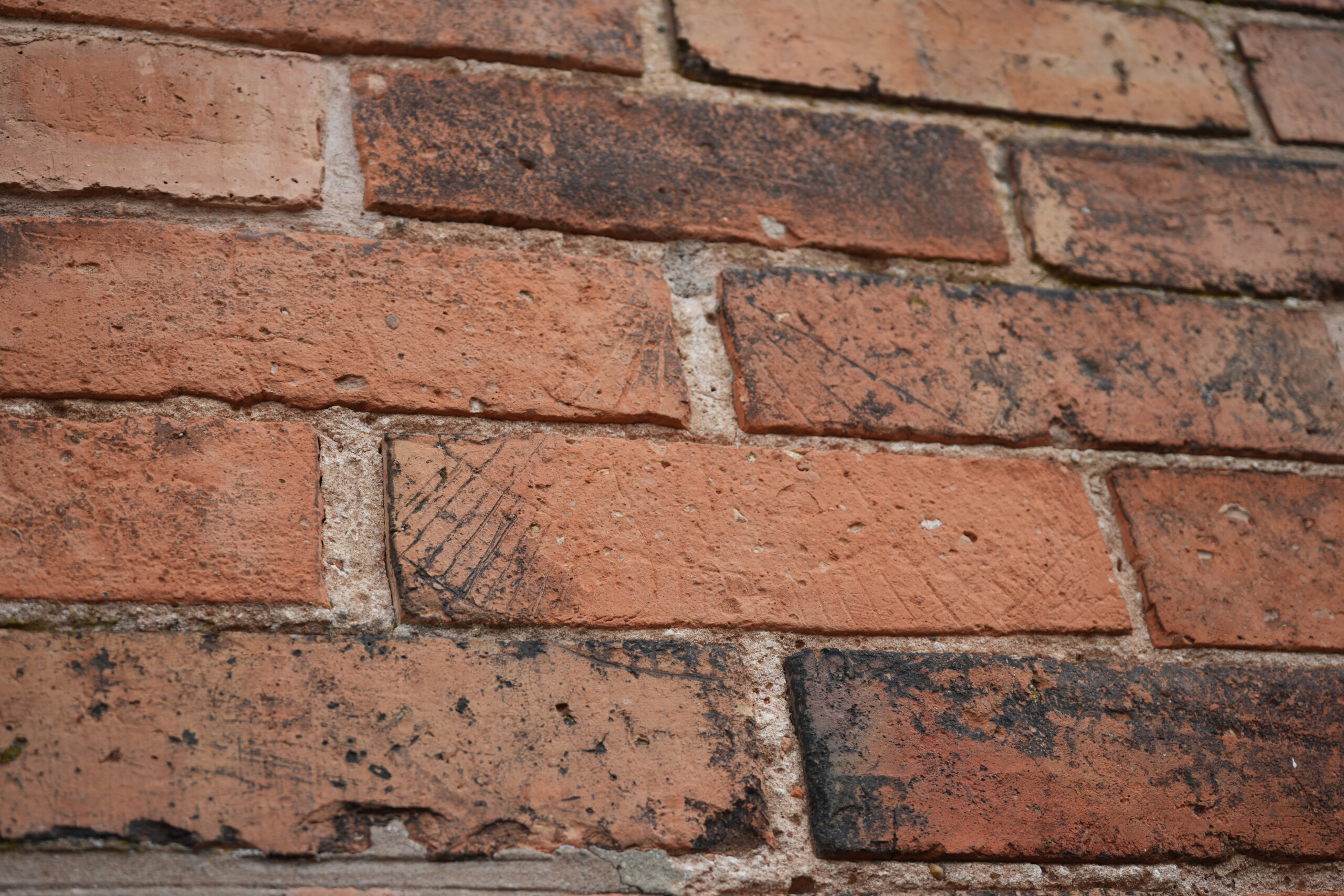
The men could go outside to the yard, so designed that they could run up and down its length, but all areas were in view of the master’s room so he could watch them. However, there were a couple of blind spots in which you can see that inmates scratched sundials into the brickwork.
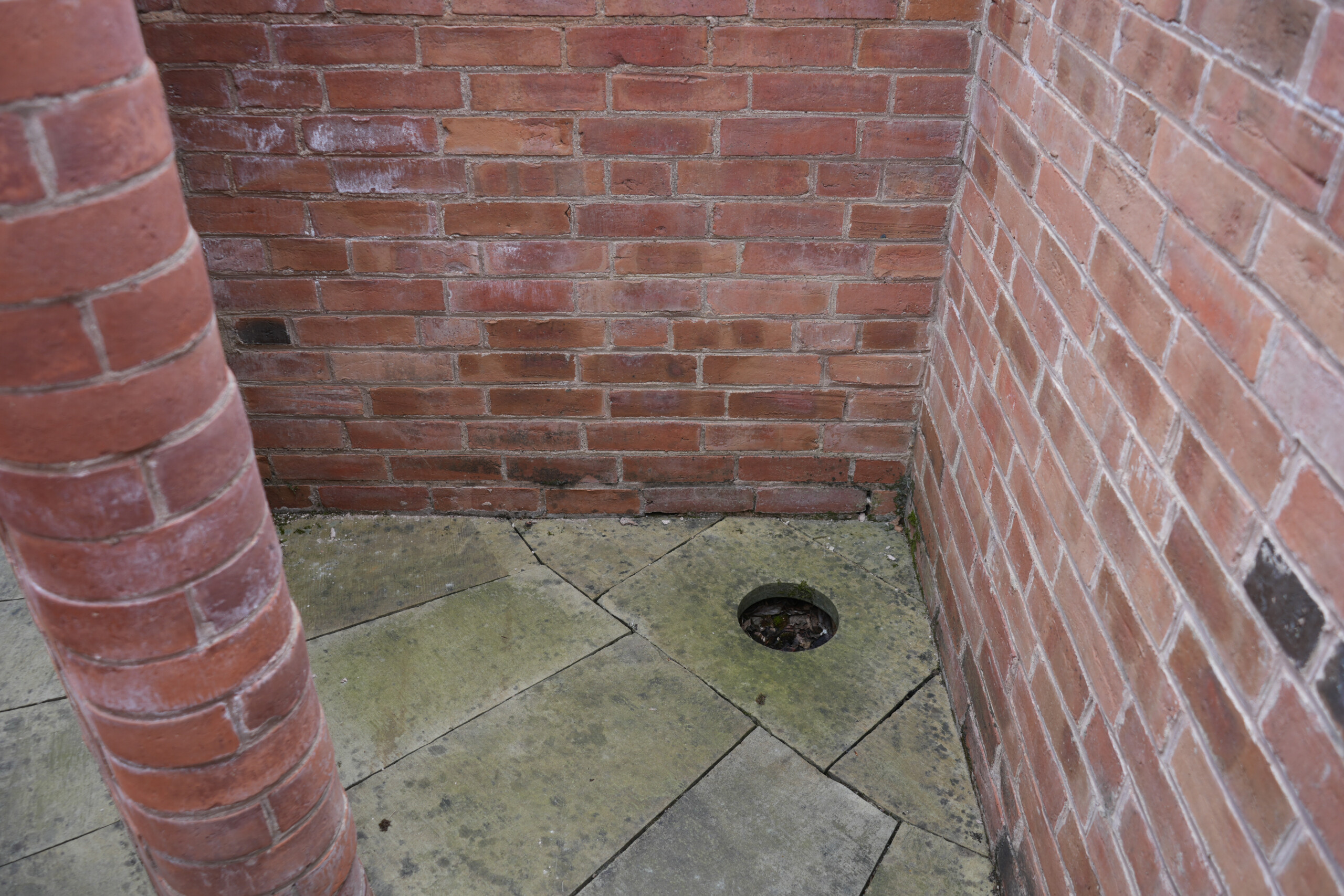
Privy
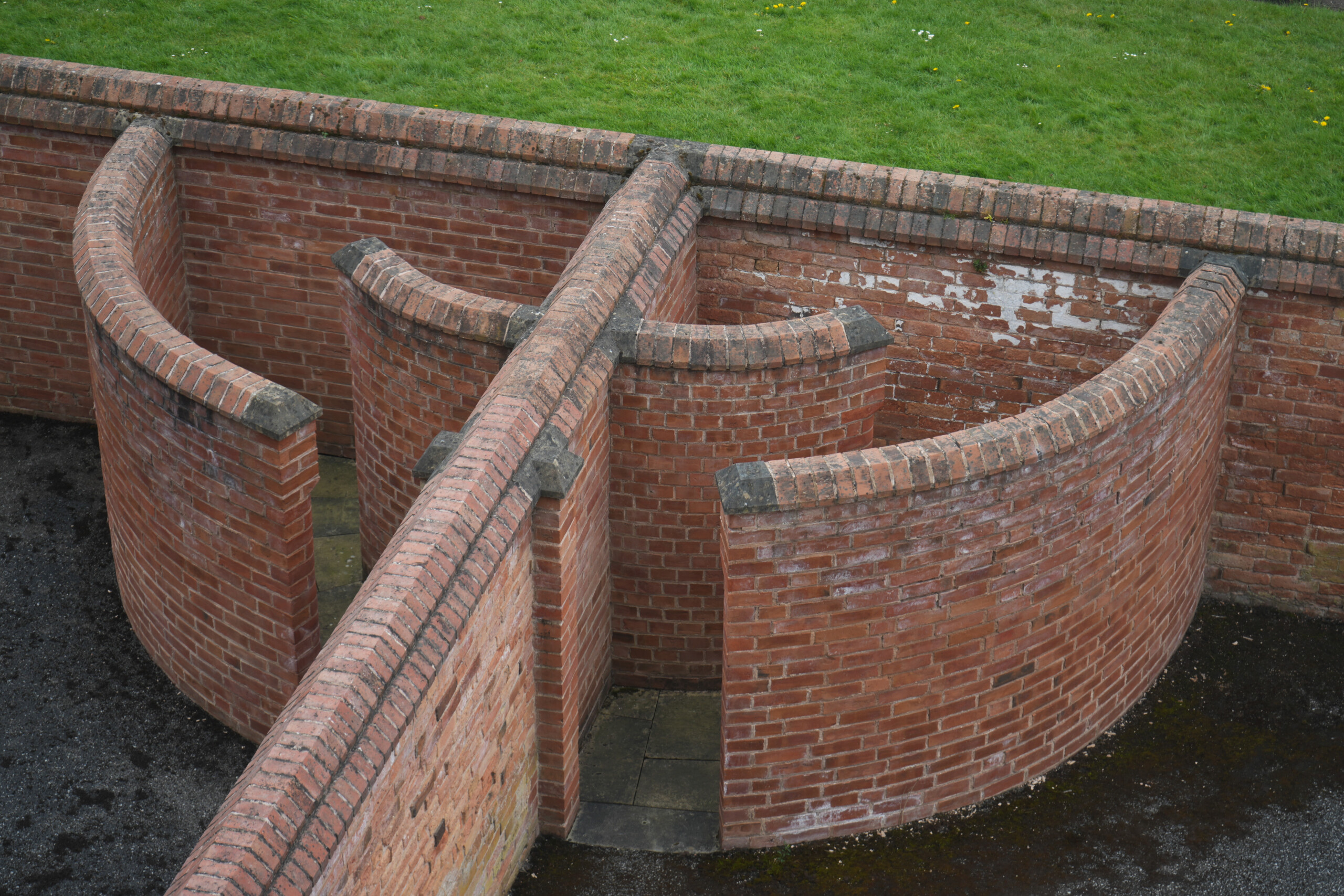
The toilet or privy was just a hole in the ground. No words!
Aged and Infirm Yard for Men
These old and poorly men were allowed outside far more as it was thought the fresh air would do them good. They could do gardening and smoke clay pipes.
Clerks Office
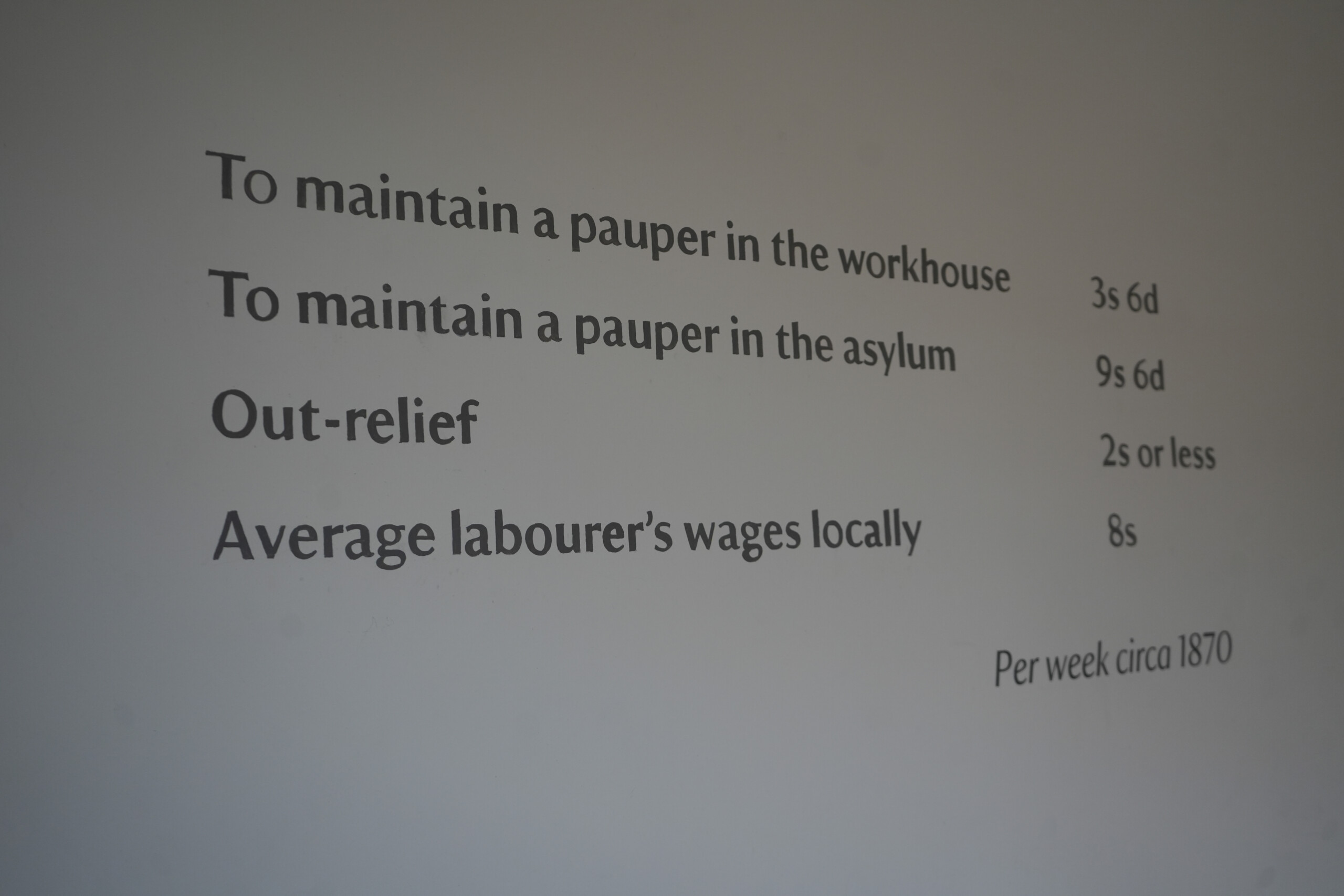
Records show that in 1870 it cost 3s 6d to maintain a pauper in the workhouse, and to maintain a pauper in the asylum was 9s 6d per week. The average laborer’s wages locally were 8s a week. There were 20 shillings to one pound. One pound in 1870 allowing for inflation would be £152.00 today.
Cellar
There is a flight of steps which leads down into a large space with massive brick arched ceilings and brick shelves. Being cool down there it was used to keep food fresh.
Interesting Fact – Fridges were invented in 1913 by American Fred W. Wolf. But it wasn’t until the 1920’s that domestic fridges were introduced and only 2% of households in Britain owned a fridge1948. By 1970, the majority owned an electric fridge (58%). Nowadays everyone has a fridge.

Scullery
In here dirty pots, pans and dishes were scraped and scoured, and water was boiled for lots of cleaning tasks. We don’t have sculleries nowadays as everything is done in the kitchen.
Interesting Fact – However, with the present-day popularity of open-plan homes whereby the kitchen and living room have become one large space, many larger luxurious homes are now opting to introduce a ‘dirty kitchen’ or scullery where the mess associated with cooking can be hidden away.
A ‘dirty kitchen’ is a second kitchen attached to your main showier one, but where dishes can pile up, recycling can be hastily shoved, and general life can be hidden away to keep the main kitchen looking pristine for guests.
A return to the scullery I want one!
I’ve heard of gruel…but what is it?
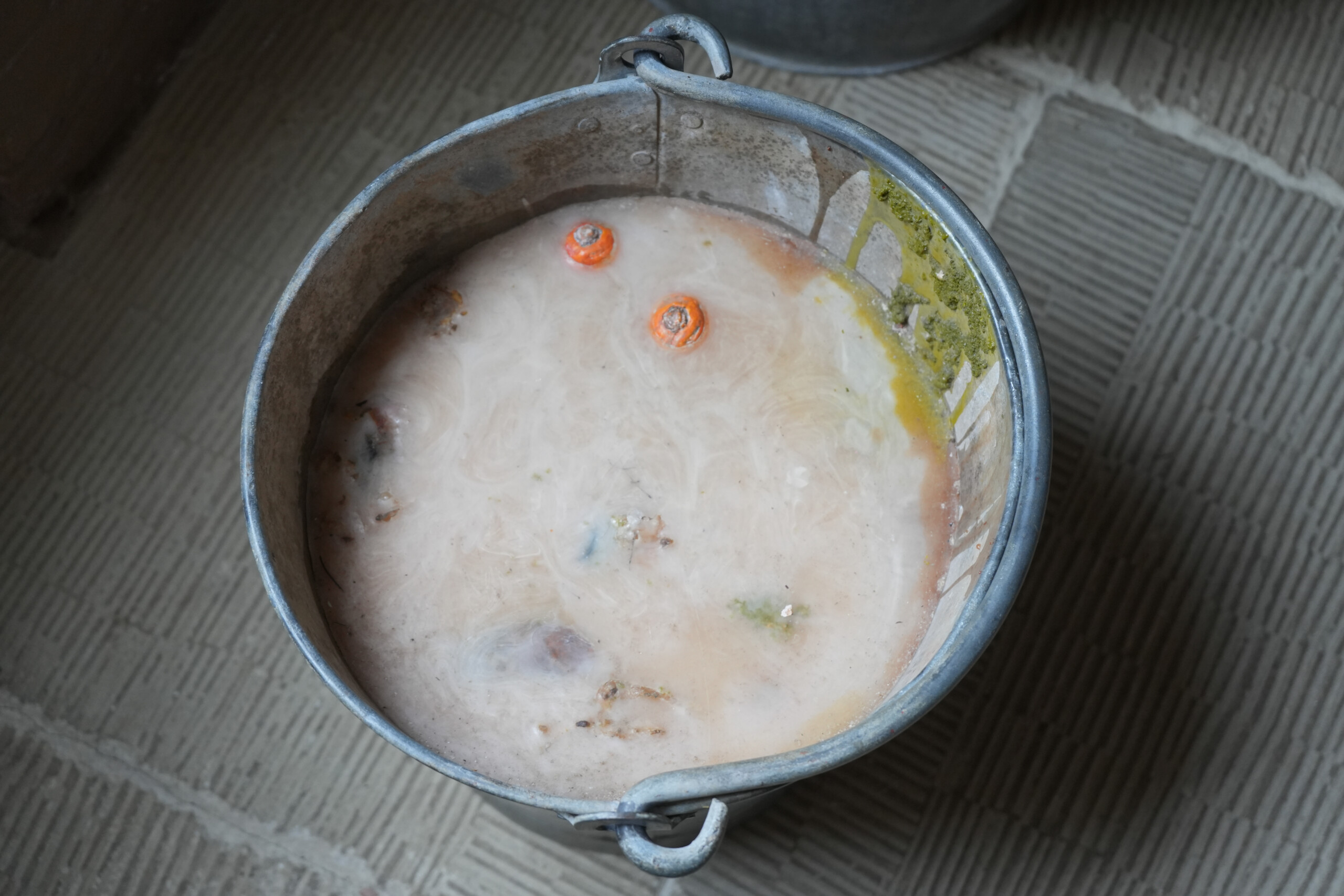
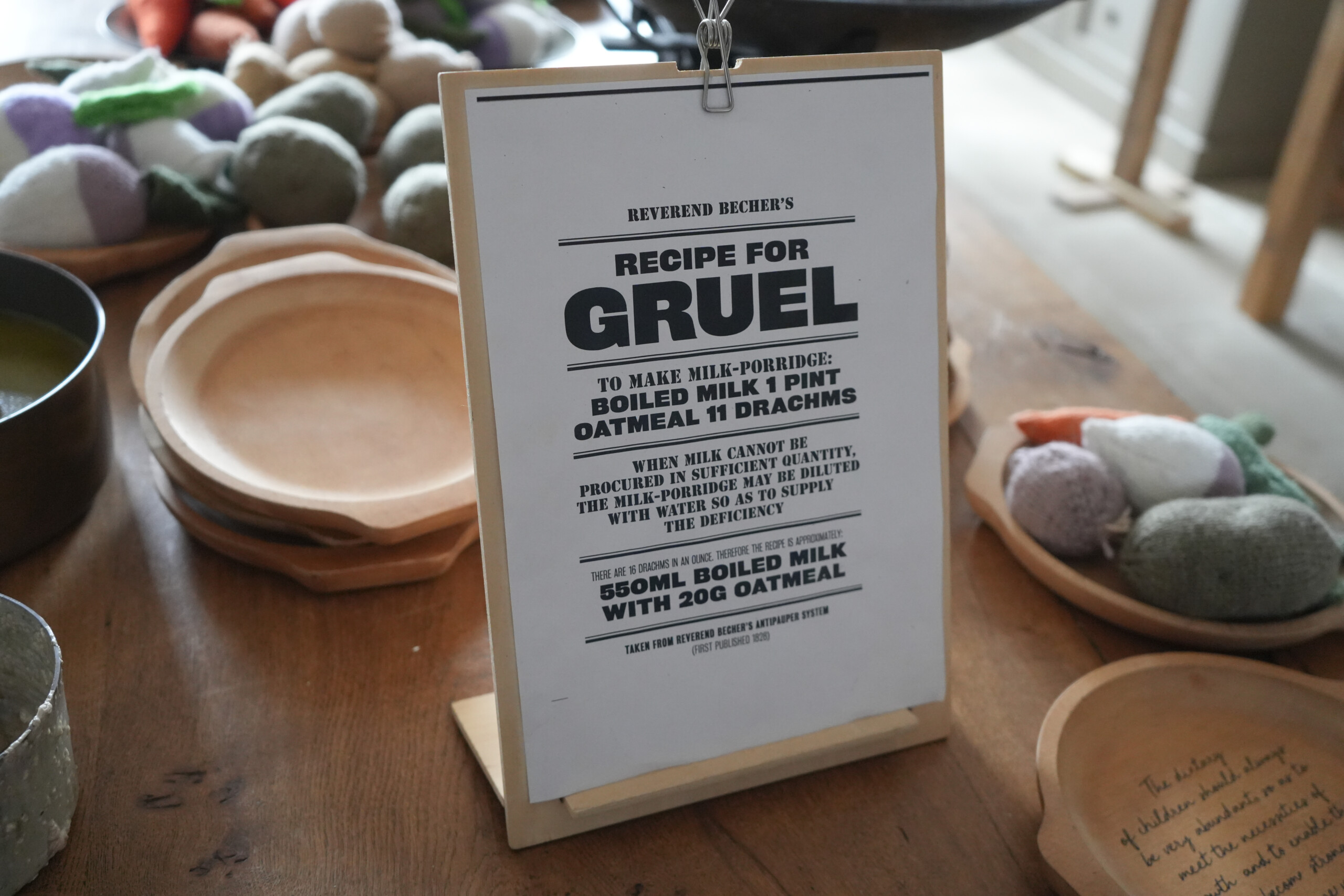
Gruel is thin porridge made with boiled milk and oats. The milk was often substituted for hot water if the milk had run out. Gruel was served for breakfast and supper. Sounds vile!
Meat was served 3 times a week and was cooked in water to make a thin broth (soup).
Where did these paupers sleep?
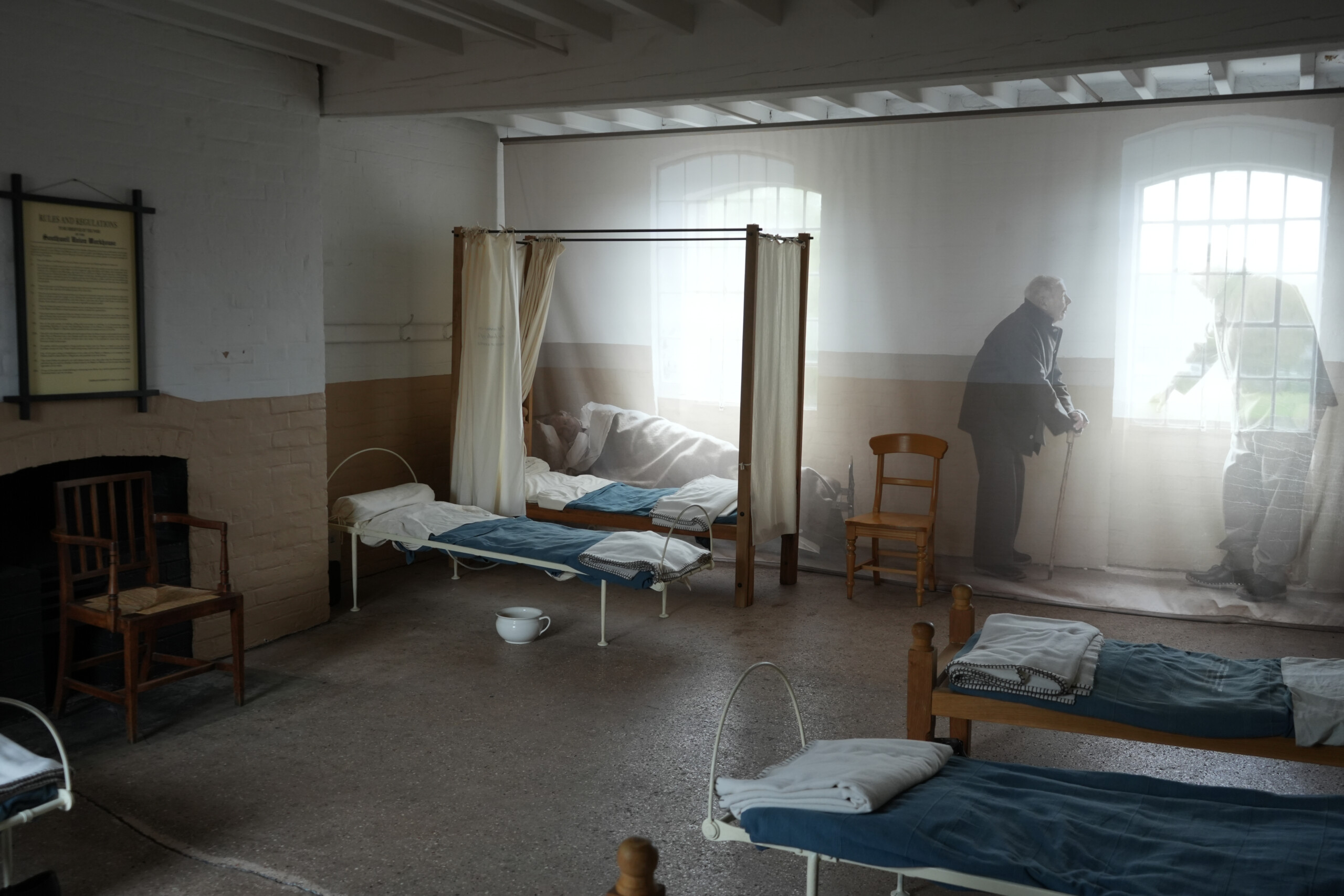
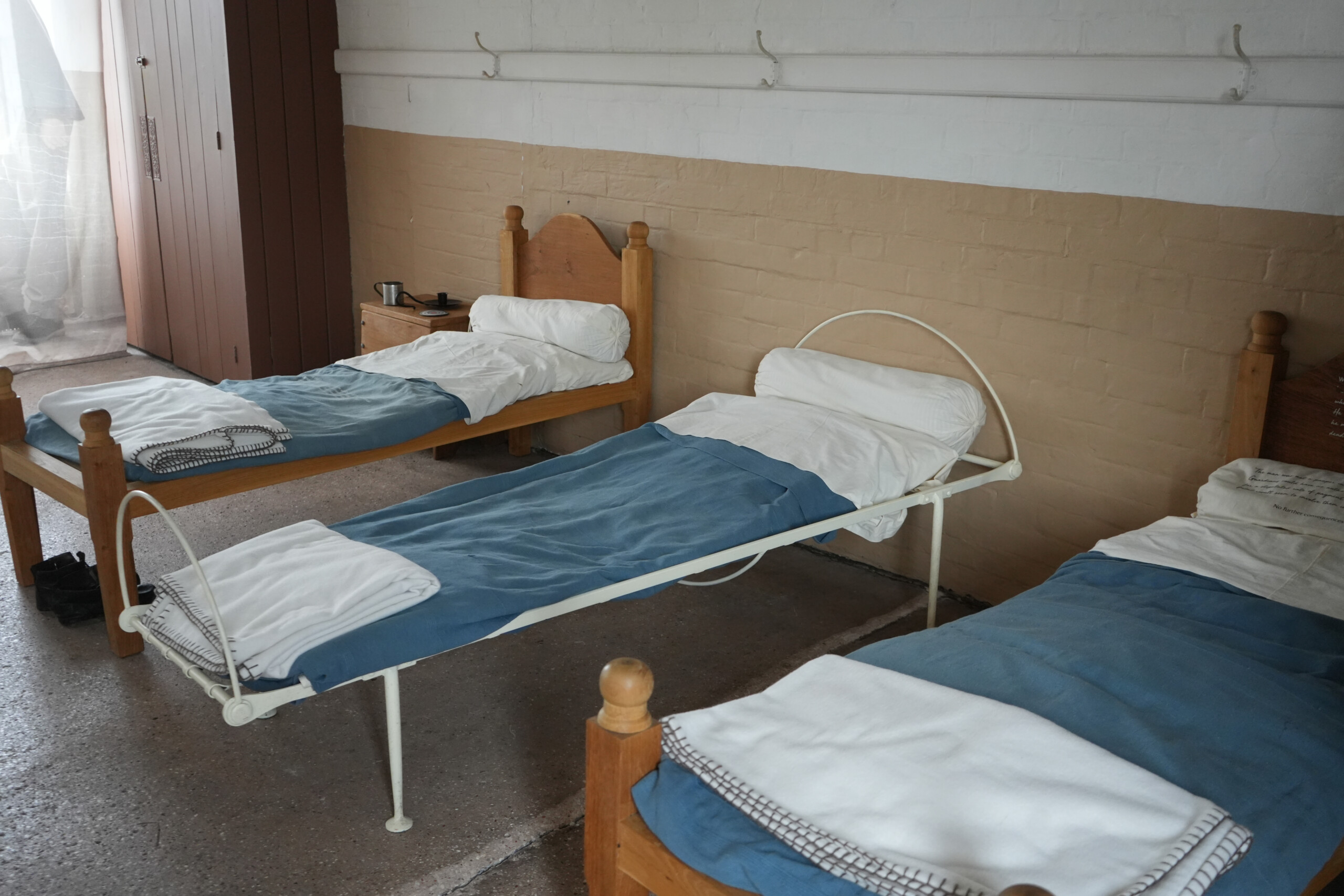
The sick people slept in wards while the able-bodied slept in dormitories. (18 -20 a room). The strict rules did not allow any personal belongings in the dorms. Folks could hang their work issue clothes on the hooks lining the walls.
There weren’t any curtains as fresh air and light was deemed very important with windows kept open whatever the weather.
The blankets were coarse and the pillows and mattresses were filled with straw. Straw was used because it was cheap and could be easily refilled if it got soiled.
The children’s ward had frosted windows to prevent them being influenced by able-bodied paupers elsewhere.
There was also an ‘Idiots Ward’. This was an accepted term to describe folks with mental health, learning or physical disabilities. This way of describing people is considered offensive today.
More Recently
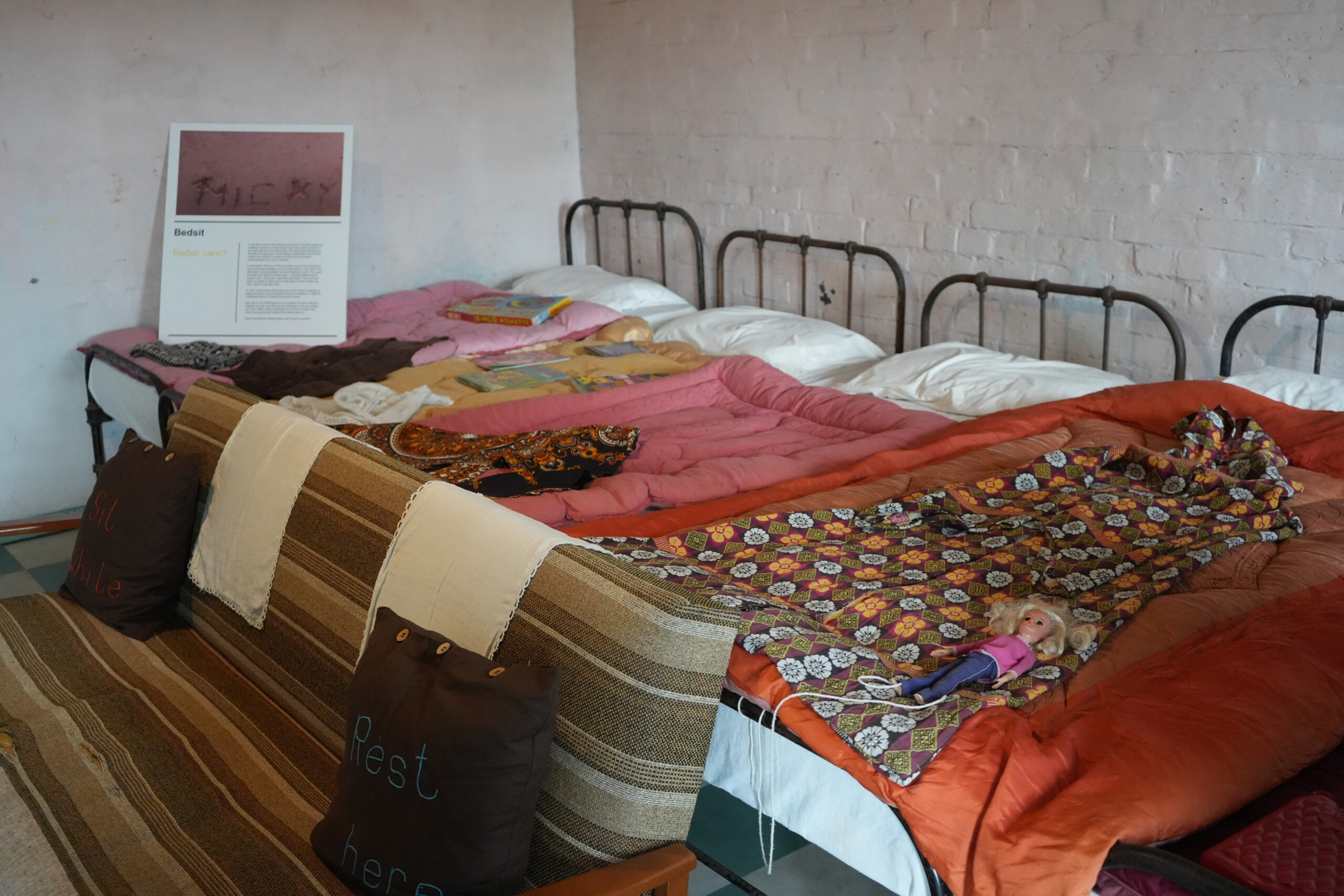
During the 1950’s to 1970’s the workhouse was used as a refuge for homeless families, and there are several areas that you can walk around and see how rooms were used by families in need. They were intended to be temporary accommodation. However, one family stayed for four years.
Infirmary and Café
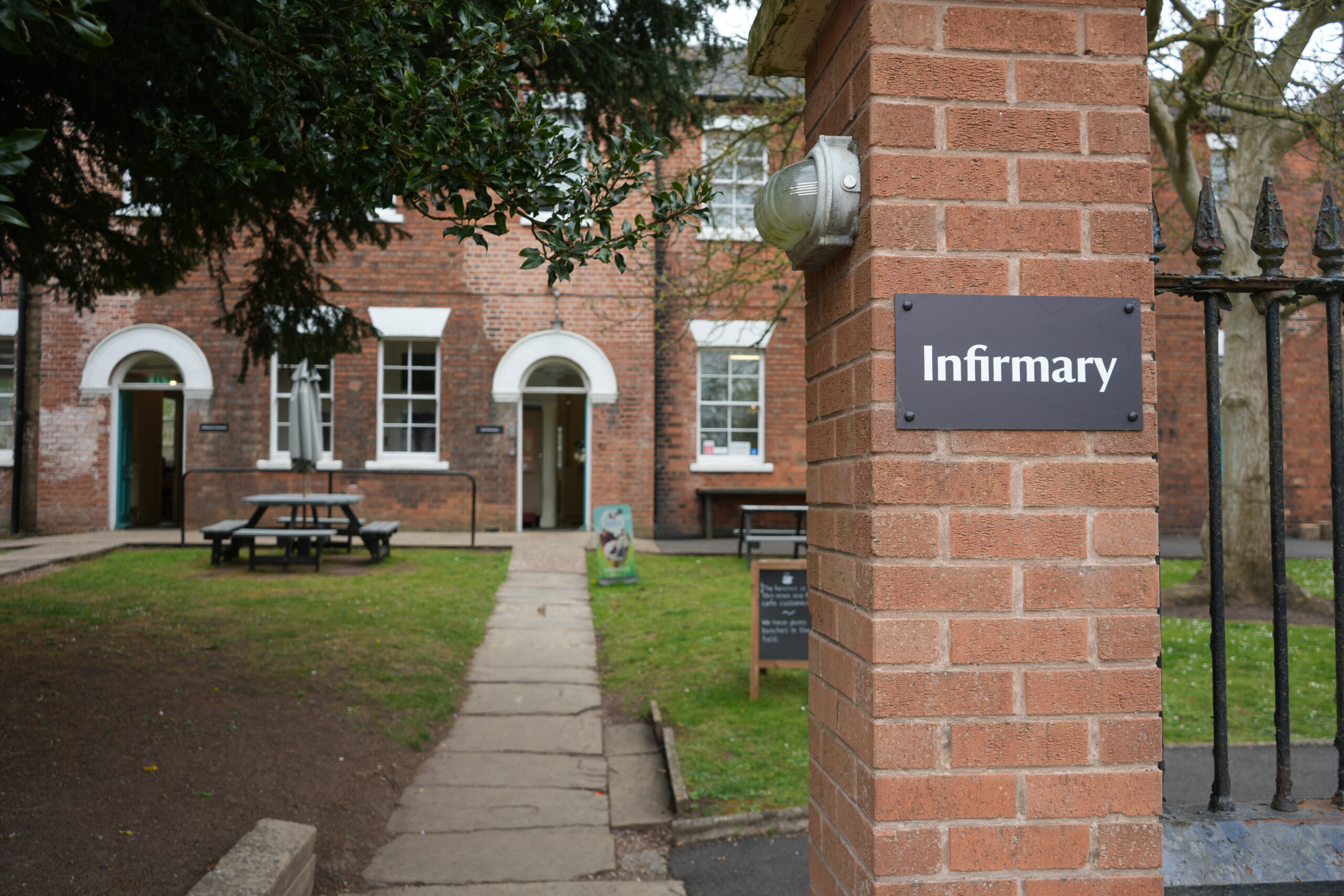
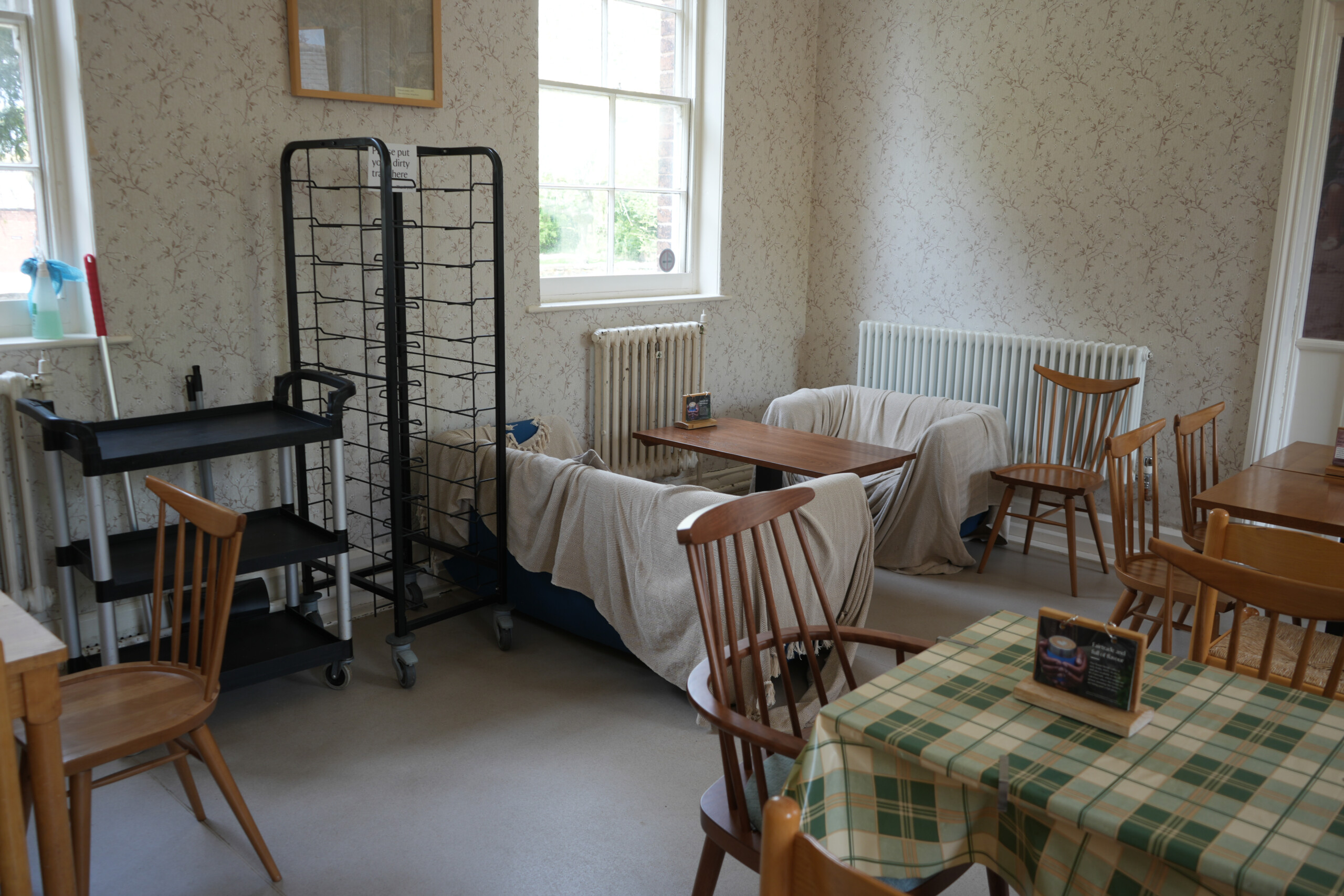
This is a separate building where you can wander around the old infirmary and then finish your visit by grabbing a coffee and cake in the café.
Book Your Perfect Stay
Final Thoughts
I had a thoroughly enjoyable 2 hours wandering around. However, compared to other historic attractions like Shugborough Hall Servants Quarters, York Museum and Beamish which have far more ‘set dressing’ and detail from their historic eras. I think the workhouse could easily add another layer of detail with the rooms having more stuff and clutter in them to add authenticity and ambience. The rooms felt a tad sparse and perhaps a bit too freshly whitewashed and clean. Outside the vast courtyards were empty. I’d add a horse and cart or two, along with tools and various historic items to create a more interesting and realistic ambience. I’d also get the people who work there to wear 19thcentury costumes. Doing this would create an even more fascinating tour and one that lives up to my expectation from reading Charles Dickens novels.
Peak District Hike versus Local Stroll: Which is the Better Walk?
FAQs About the Southwell Workhouse Walk
Infants born to inmates were often fostered out to local families or, sadly, sometimes sent to foundling hospitals. Southwell's records show many were boarded with neighbours under supervision.
Silence was enforced in many areas, inmates wore uniforms, and families were split up by gender. Any refusal to work could mean reduced rations or confinement in solitary cells.
The workhouse system was officially abolished by 1930, but some institutions lingered on into the 1940s. Southwell itself ceased operating as a poor relief workhouse in 1930.
Yes – over fifty former workhouse buildings survive across the UK, often repurposed as museums, community centres or offices. Southwell’s is now a National Trust museum.