Your First Geocaching Adventure: What You Need to Know
Key Information About Geocaching
What is Geocaching: A GPS-based outdoor treasure hunting game.
Equipment Needed: GPS or smartphone with geocaching app.
Cache Contents: Typically a logbook and small trinkets.
Geocaching Etiquette: Trade items (also known as "swag") fairly; always log your find.
Types of Geocaches: Various, including Traditional Cache, Multi-Cache, and Mystery/Puzzle Cache.
Geocaching Community: Enthusiasts worldwide, sharing a love for exploration.
Benefits: Promotes outdoor activity and discovery for all ages.
Introduction
I don’t know about you but as a child I used to look forward to Easter more than Christmas, just because there was always an Easter Egg hunt down at the local park or in a friends back garden. I really enjoyed searching for hidden treasure, or in this case chocolate eggs in shiny foil wrapping. So, years later when I heard about something called Geocaching – the world’s largest treasure hunt, I was intrigued and wanted to know all about it.
What is Geocaching?
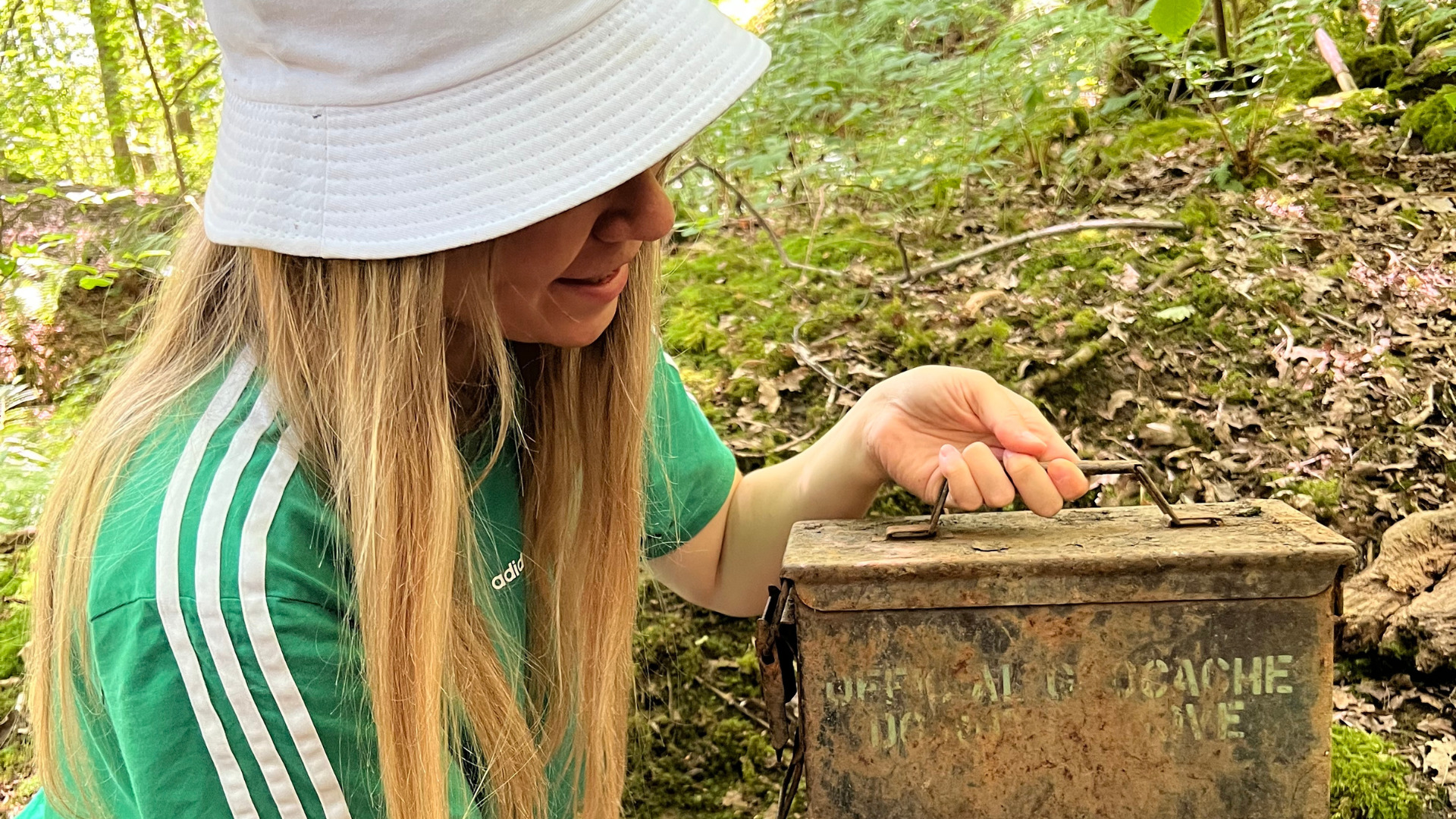
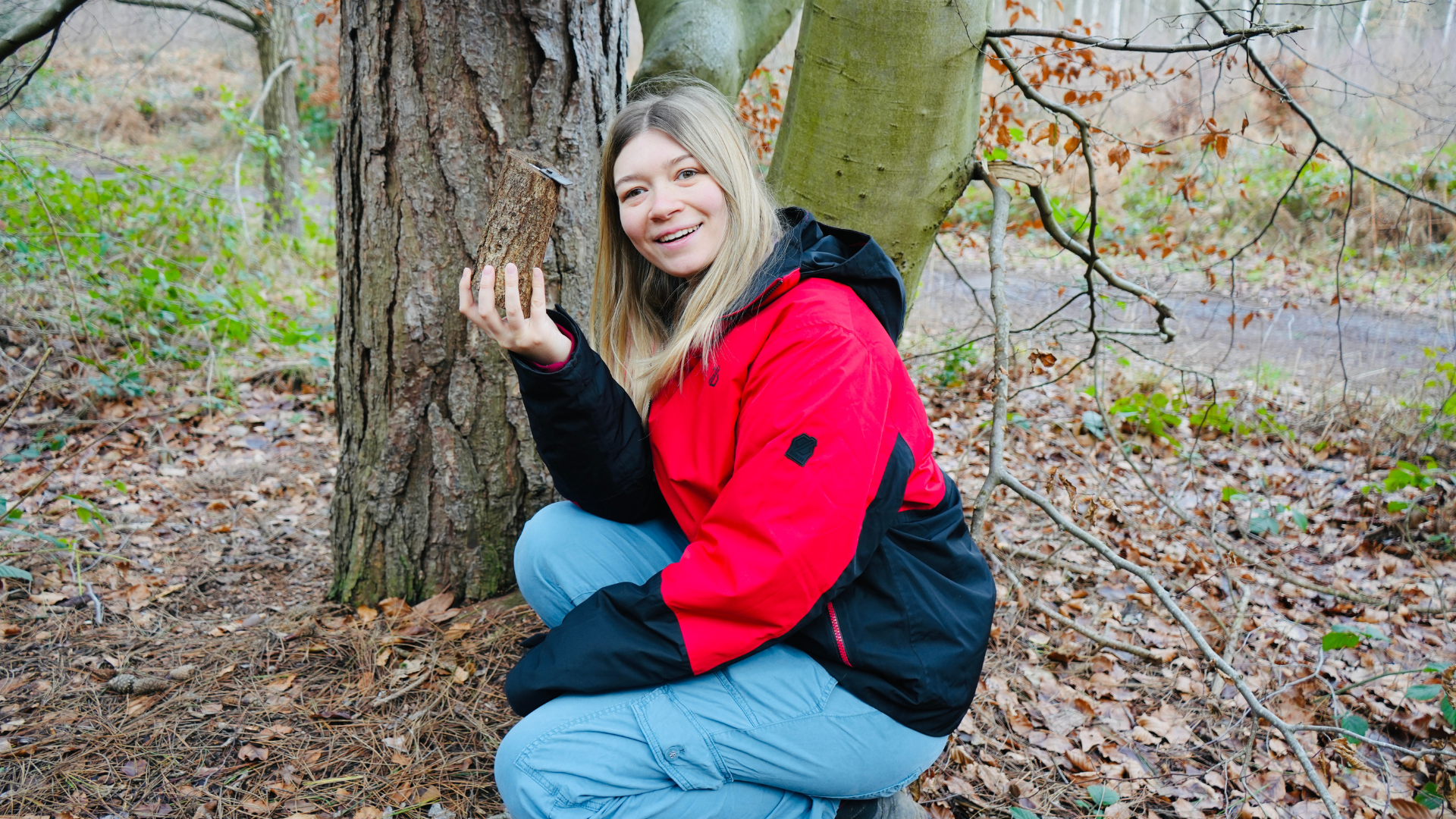
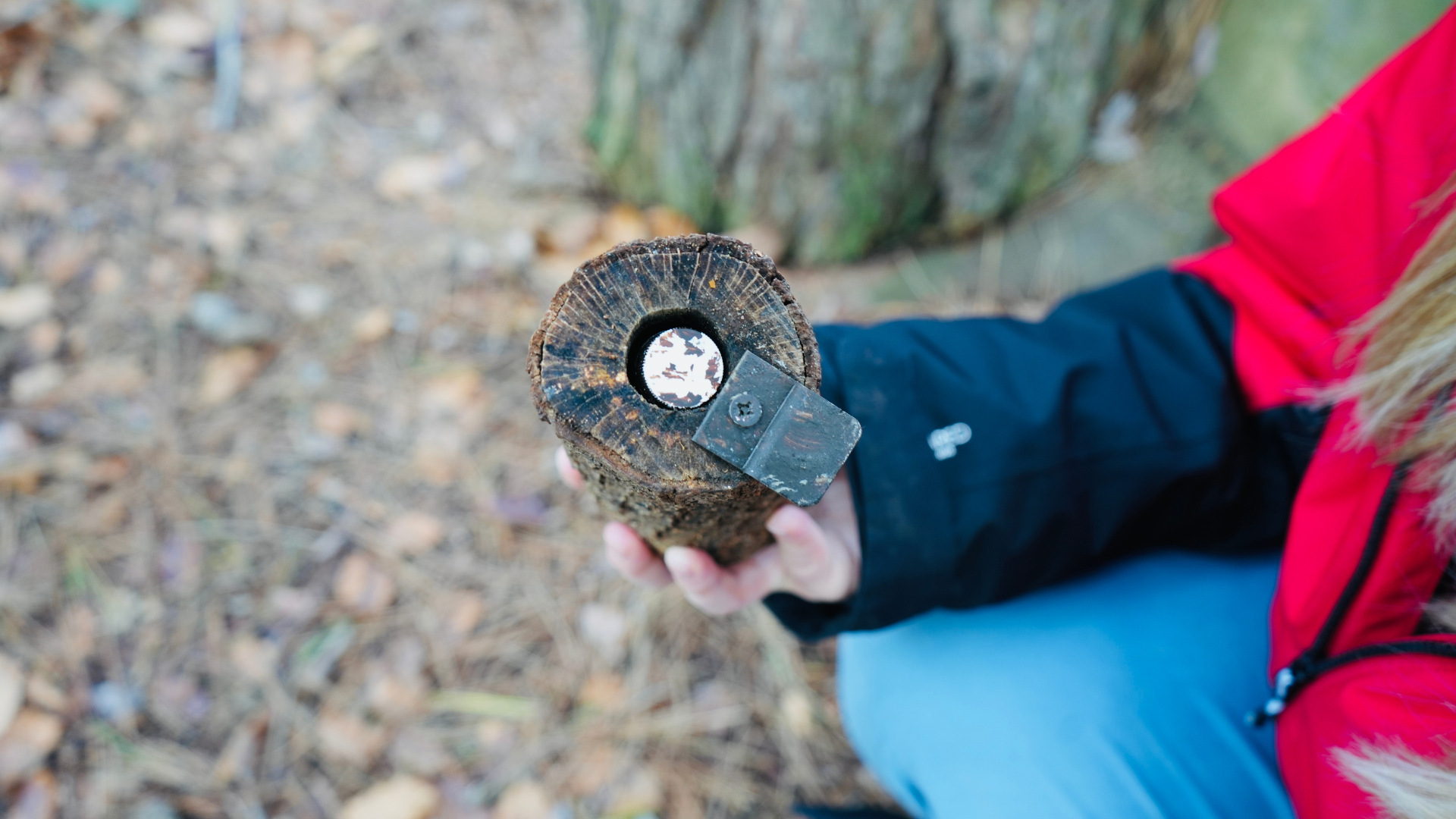
You’d be surprised to learn that lots of people have heard of Geocaching (pronounced JEE-oh-cash-ing). A geocache or ‘cache’ is a container hidden outside. Geocachers search for these hidden goodies guided by a GPS-enabled device which uses coordinates, or ‘waypoints’ downloaded from the geocaching.com website. Alternatively, you can download the free geocaching app onto your mobile phone from the app store. It works for both Android and iPhone. When you’ve found the hidden geocache open it up to find a logbook to sign and date, and a few random trinkets and bits and bobs, which you can either swap and replace with something of equal value or just put it back.
The free Geocache app and getting started
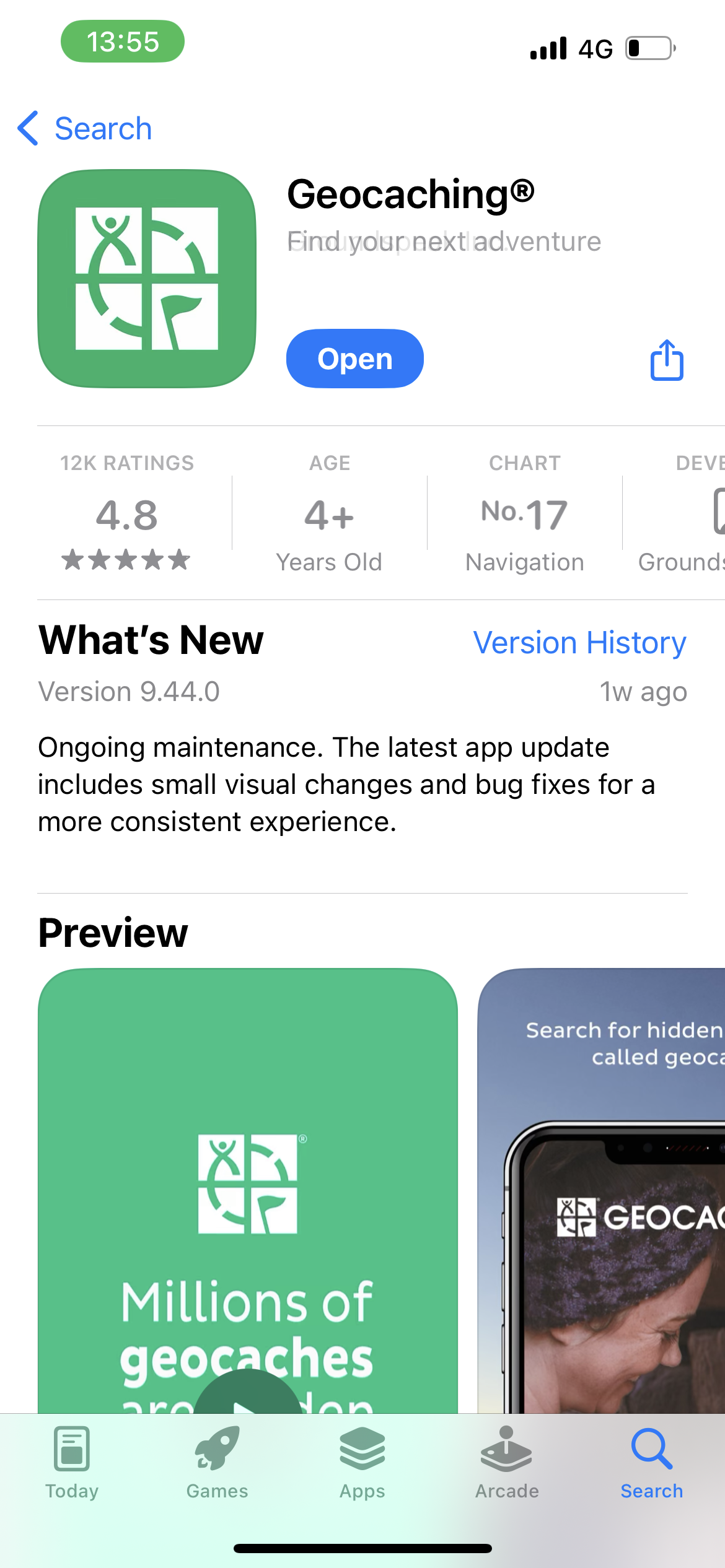
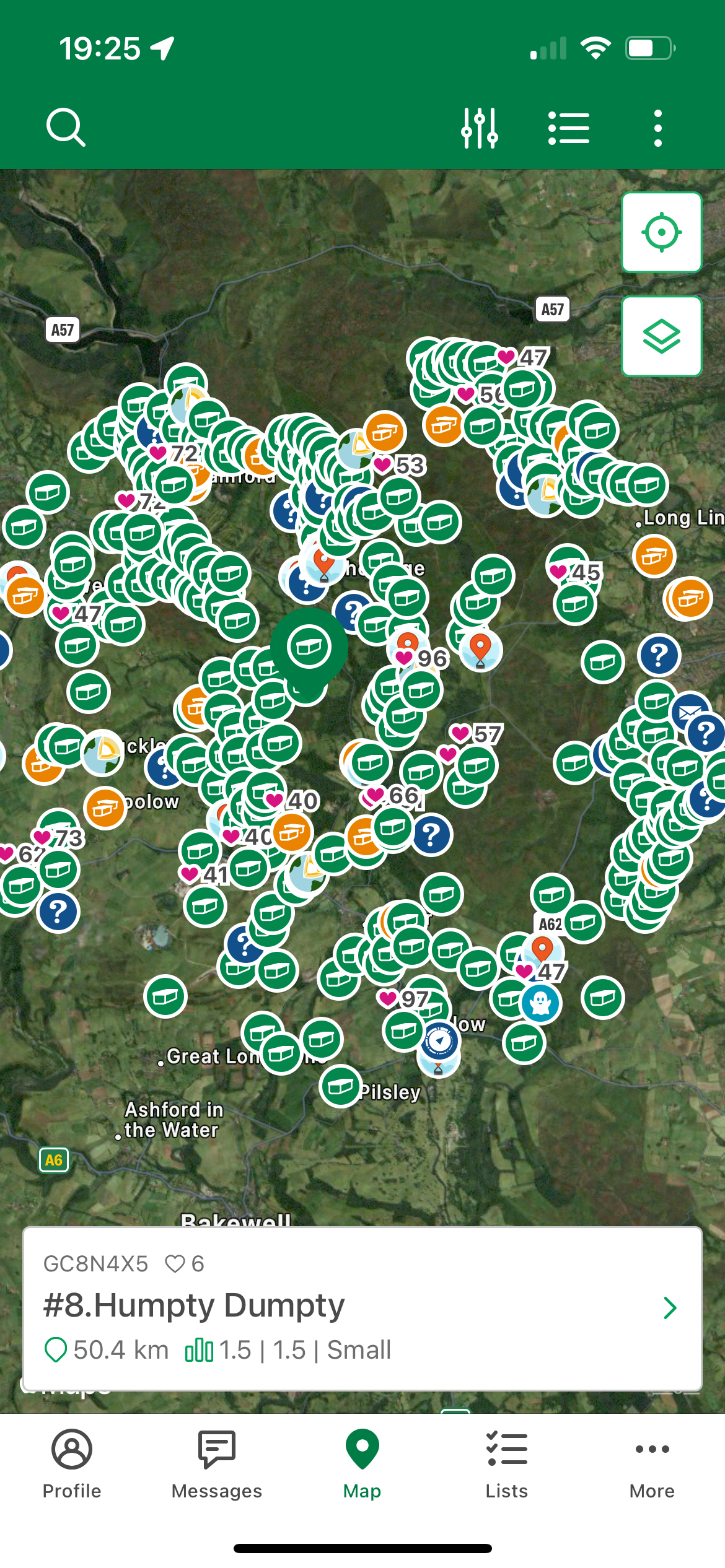
It’s simple – go onto the app store on your mobile phone and search for Geocaching. Then download the app onto your mobile. Search for a walk nearby and see the geocaches plotted on the map. Start walking following the map. Your phone will vibrate when you’re near the hidden ‘cache.’ There will be hints on the app as to its exact location, for example – the base of a Sycamore tree or hidden next to a drystone wall – you get the idea. Then you hunt around to find it. Mostly they are cleverly camouflaged. The whole family can join the search including children.
How to pick your first Geocache and get started
I suggest you pick one with lots of recent finds and favourite points.
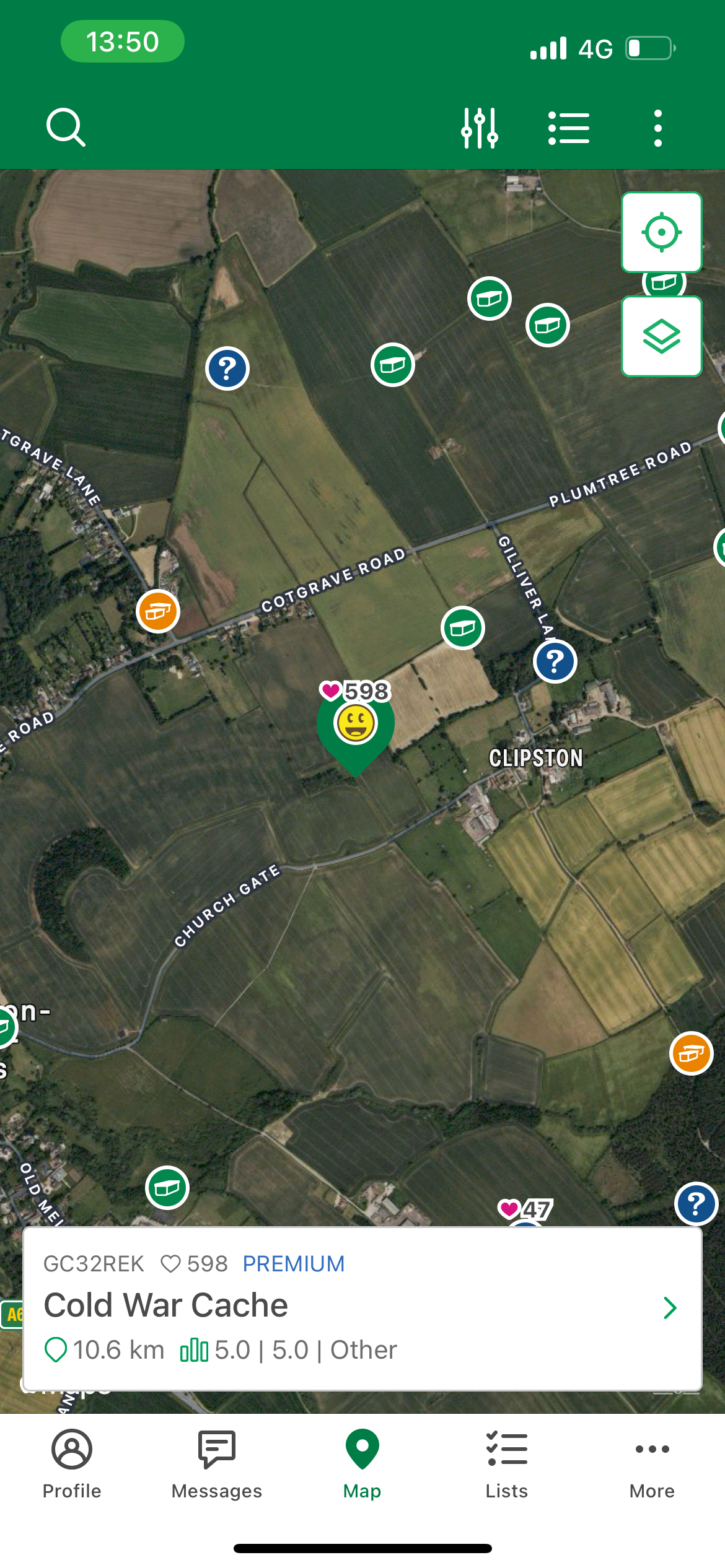
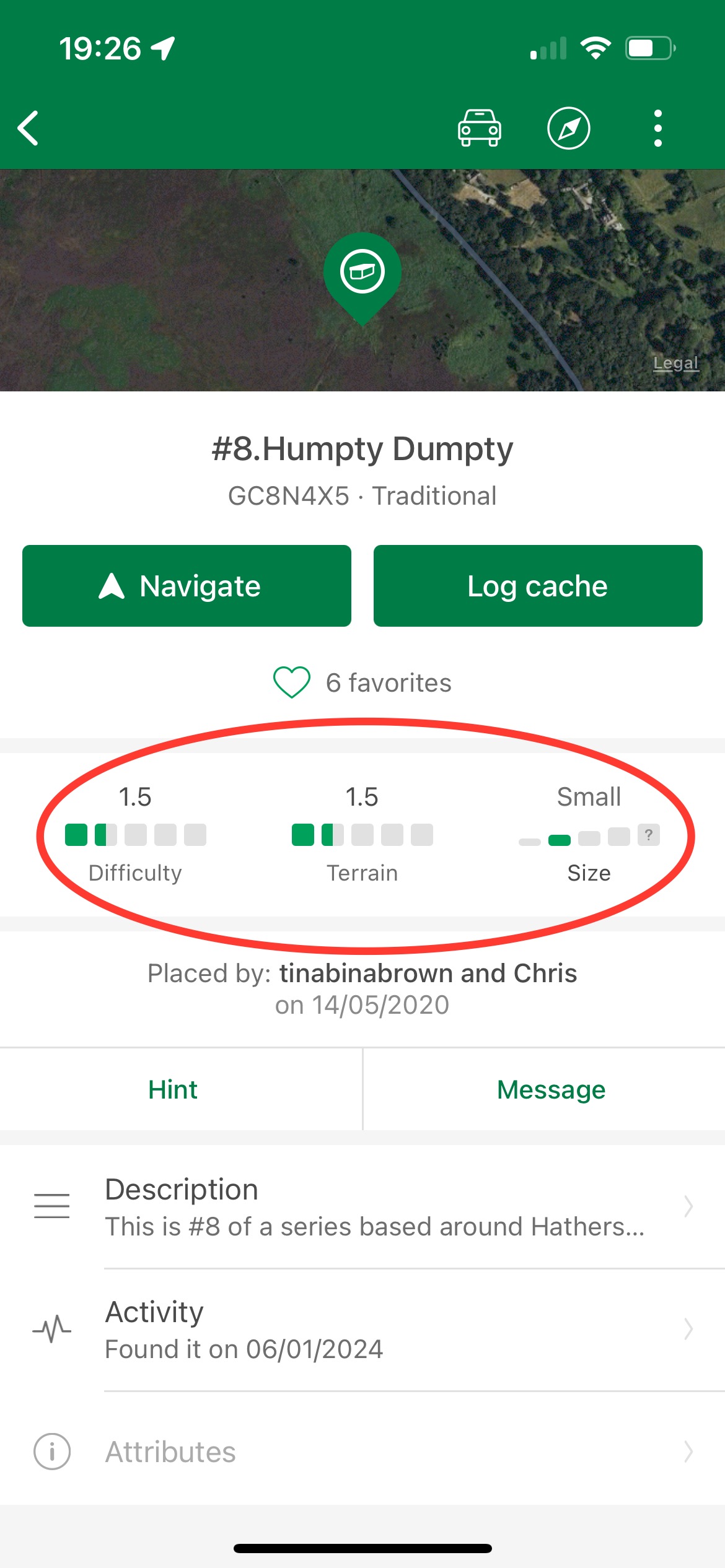
Go onto a map and click on a cache, then go to ‘Activity’ and see when it was last found and check the difficulty. Every ‘cache is given a difficulty in finding it rating by the person who hid it. I also check the ‘comments’ and if there aren’t several recent comments, I guess that the ‘cache’ may have been destroyed, this is extremely rare though.
Free VS Premium
I started with the free app and I liked it, then after a while I decided to pay for it, (about £33 a year) This introduces you to lots more caches and downloadable maps. The caches found via the subscription app are unlikely to be destroyed as anyone who pays a subscription is far less inclined to damage them as they are true ‘cache’ fans.
A Variety of Geocaches
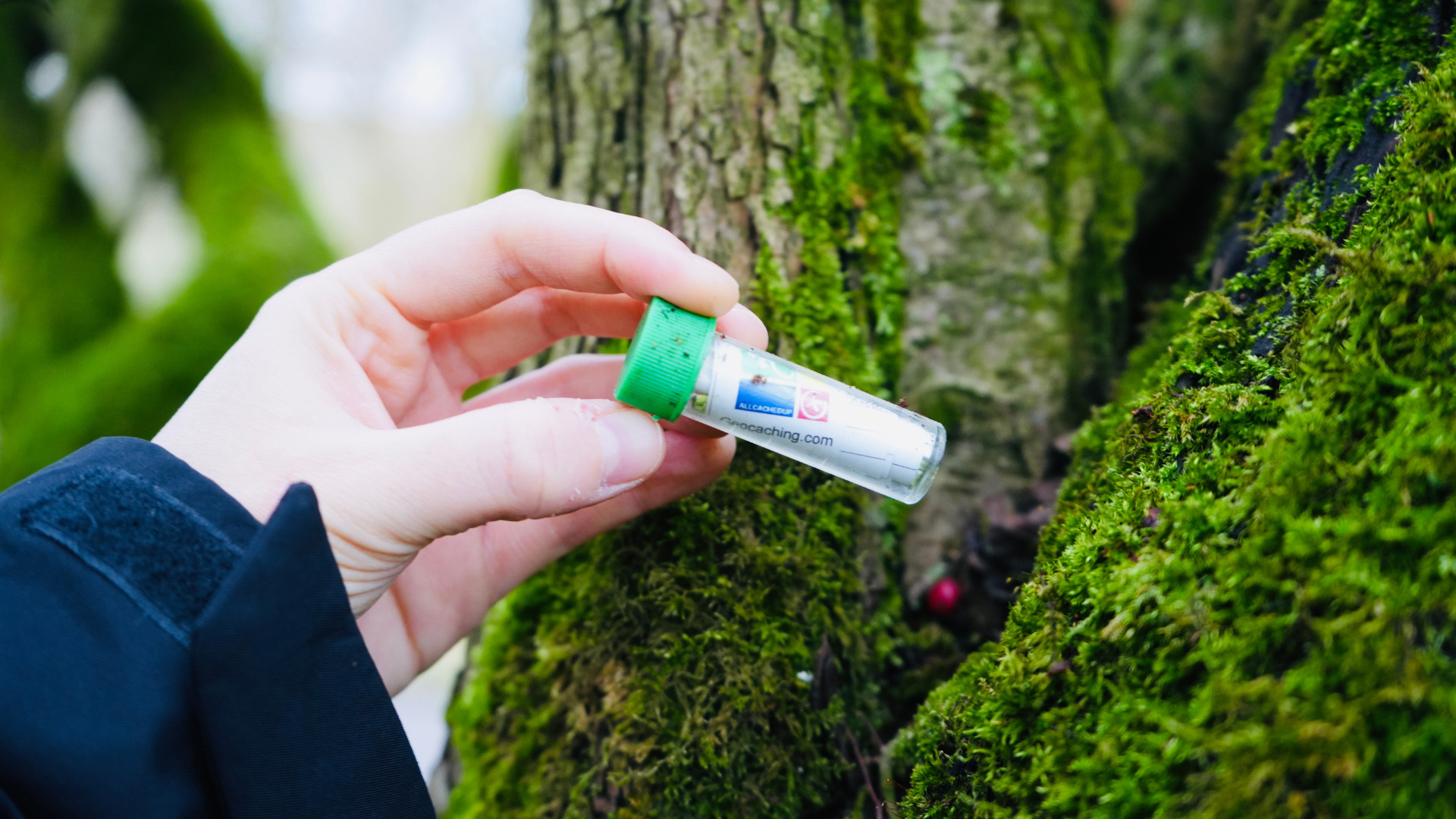
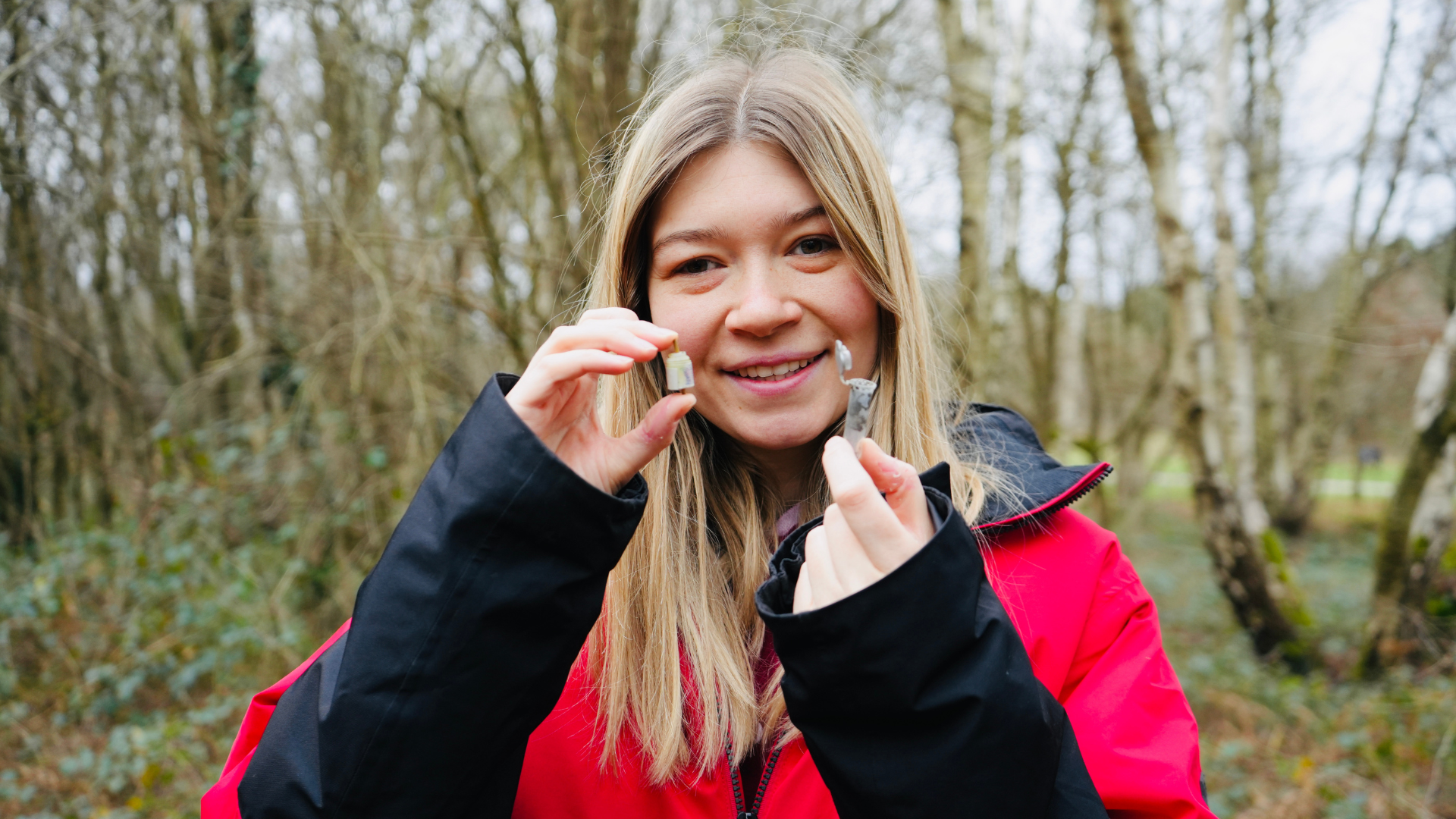
When you download the free app you can see that there are various types of geocache and they are categorized by size. The Micro is less than 100ml usually a small canister with a tiny rolled up piece of paper inside for you to add your name and the date you found it.
The Small is at least 100ml
The Regular is at least 1 litre
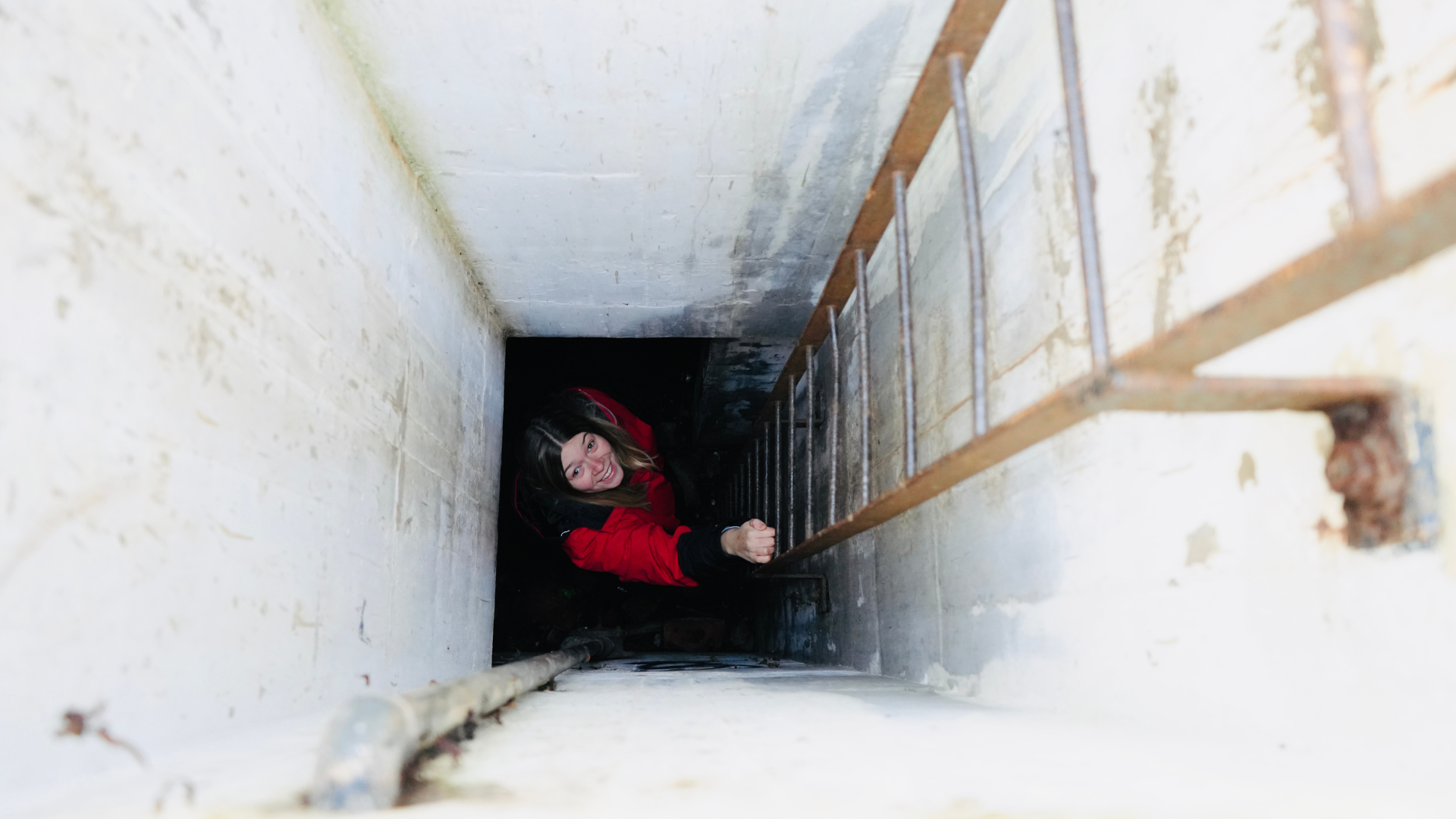
The Large is 20 litres – this might be a large box with trinkets and more puzzles inside. There will be puzzles to solve by opening a padlock on the box. There may be lock combinations and a box within a box within a box. All good fun.
As Forrest Gump said –
‘My mom said life was like a box of chocolates. You never know what you’re gonna get’
Of course, the same applies to geocache with every ‘cache’ a unique and interesting surprise.
It makes walking far more fun
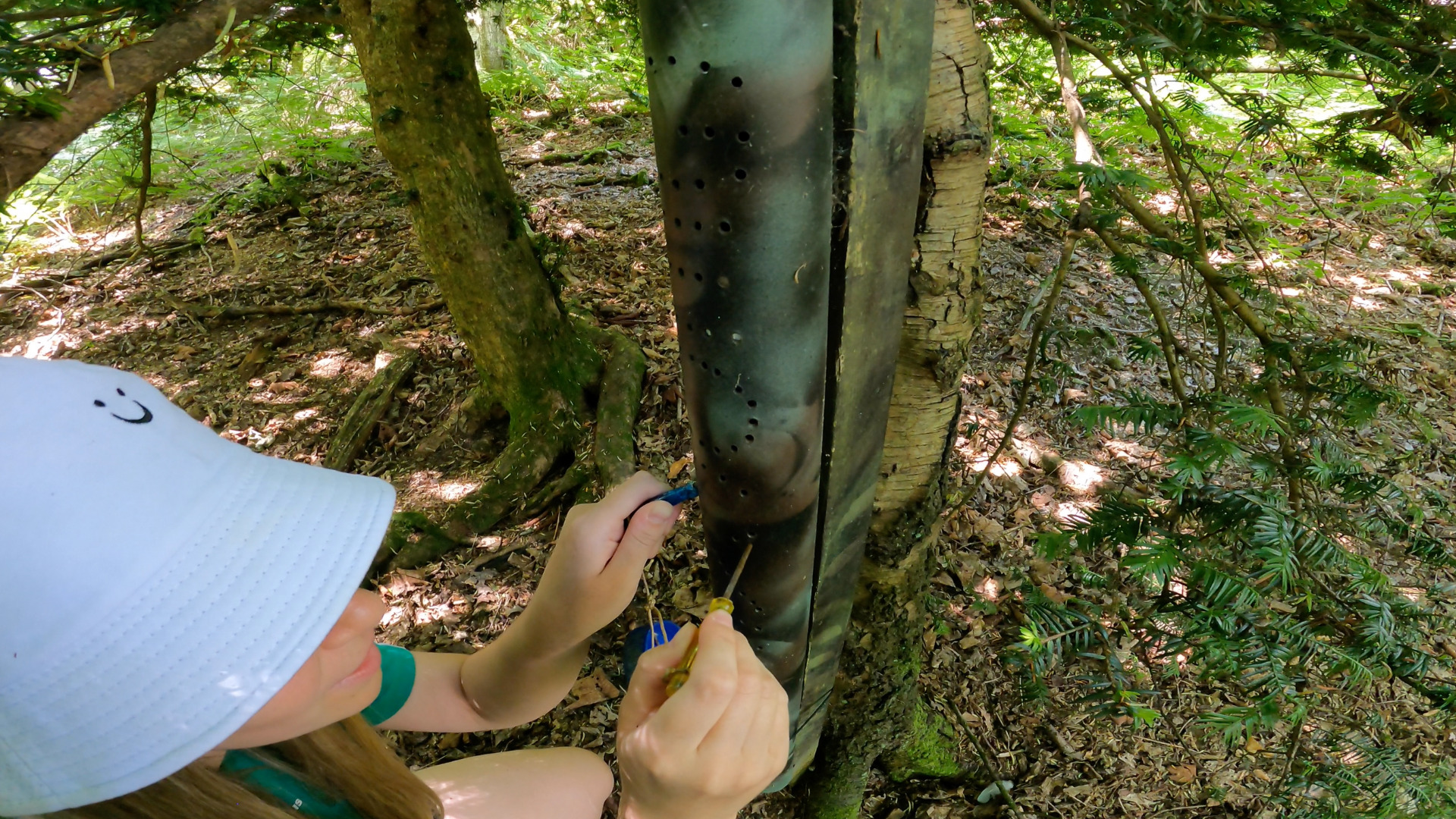
I like exploring and geocaching has introduced me to lots of different places. It’s a fun thing to do on a walk and there is a sense of accomplishment on searching for, and finding the ‘cache’, especially when you must crack the code from a set of clues to open the hidden box only to find another box inside with more clues to decipher. Geocaching makes the day fly by. You get so wrapped up in the walk to the next cache, and then the search around for it, whether it’s hiding at the base of an old Oak tree, hidden under a park bench or fixed to a fence post, the day just whizzes by with you having a laugh with family and friends.
Good for your Mental Health
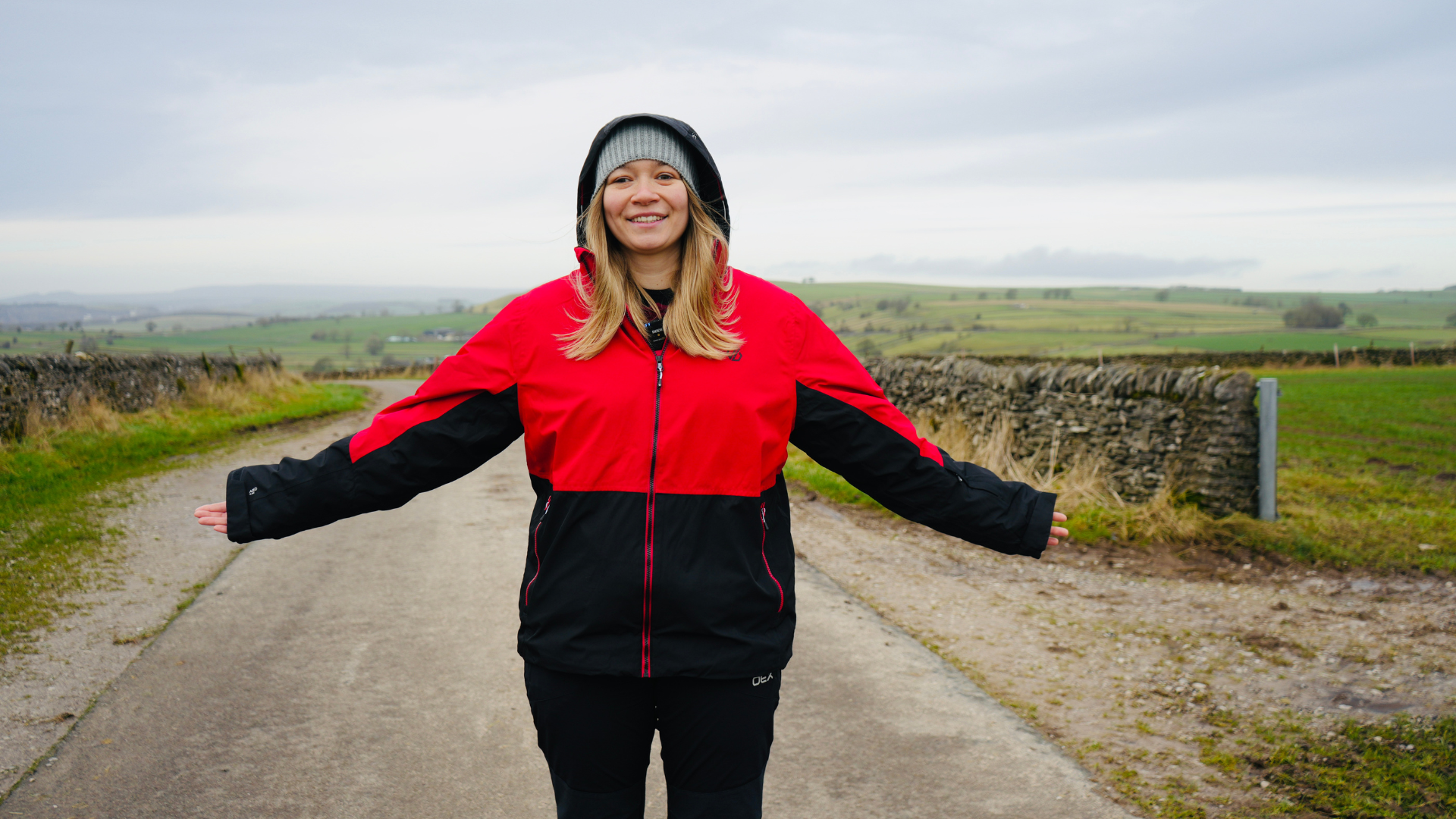
I’m no expert on mental health but I do know that walking outside in the fresh air whilst on a Geocache hunt does wonders for my own health and wellbeing. I become totally focused on searching for the cache, and anything that was on my mind, or was worrying me gets kicked out of touch for a while, sort of like active meditation. Walking in a beautiful forest or tramping across muddy fields and negotiating awkward stiles puts my life into perspective. When I get home, I feel tired and glowing, with a sense of achievement that I found some Geocaches too.
Why Mum loves Geocache
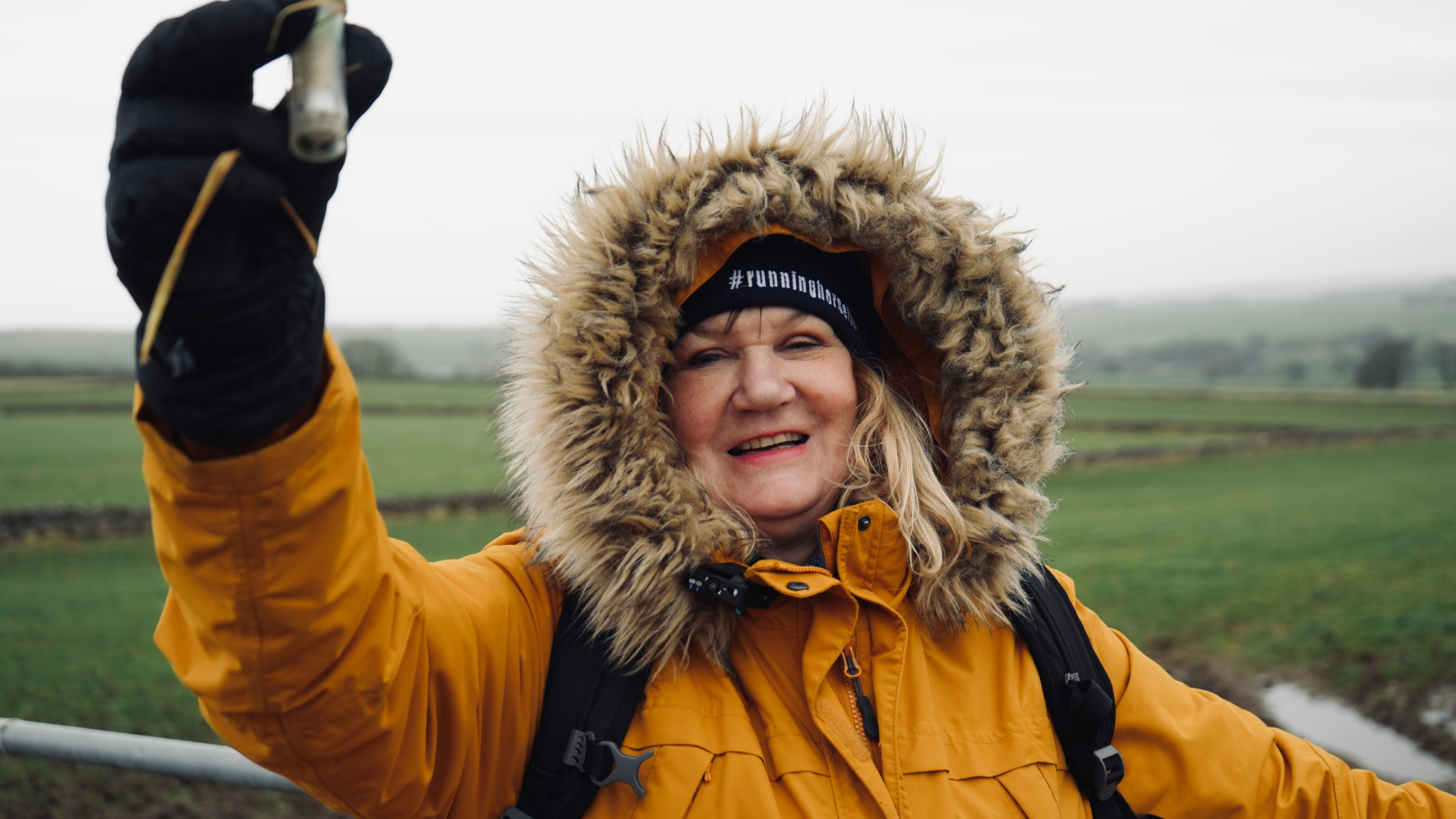
She says she enjoys geocaching because we have to keep stopping to look for the ‘cache’. Instead of pounding along trying to keep up with everyone she knows that even if she gets a bit left behind on a walk, we’ll soon be stopping for 10 minutes in our quest for the next ‘cache’. Whereby she can relax, catch her breath, and open her flask of coffee. Interestingly geocaching does attract lots of older people getting them outside keeping fit. Older people seem to have far more patience than young people in searching for the elusive cache. If you can’t find a hidden cache, sometimes they are difficult to find, don’t worry, it’s perfectly okay to walk away!
Who creates and hides the Geocaches?
Quite simply anyone can. I’ve made a few but haven’t got around to hiding them yet! You must plot on the map exactly where you’ve hidden it and rate the difficulty in finding it. Geocache are never buried. Geocache is a worldwide game started in 2000 with its headquarters in Seattle, US. There are over 3 million ‘caches’ hidden all over the world in 191 different countries on all 7 continents (even Antarctica) Probably a penguin sitting on one of those!
Fun Fact: The very first geocache was hidden near Beaverton, Oregon.
Conclusion
If you’ve read to the end of this blog, I’m guessing Geocaching has caught your attention so why not have a go? Take the family out for a walk with a big difference. It certainly gets everyone out of the house and away from the TV and laptops, and is a right laugh as you find yourself crawling through a bit of undergrowth searching for that elusive ‘cache’ treasure. What’s not to enjoy, eh?
Easy UK Geocaching: Beginner-Friendly Hidden Geocaches in the Peak District
Geocaching is an outdoor recreational activity in which participants use a GPS or mobile device to hide and seek containers, called "geocaches", at specific locations marked by coordinates all over the world.
The point of geocaching is to engage in a worldwide scavenger hunt that encourages exploration, outdoor activity, and discovery of new places.
Yes, geocaching is still very popular in 2024, with a vibrant community and geocaches hidden in over 190 countries worldwide.
Geocaching in the UK involves searching for geocaches using GPS coordinates. The UK has a rich variety of geocaches, from urban settings to remote countryside locations.
Geocaches are legal, as long as they are placed with respect to the local laws, do not damage property, and are not placed on private property without permission.